
Buying land can be one of the smartest investments you make—whether you want to build a forever home, start a small farm, hold acreage for appreciation, or develop property for profit. Land for sale is a different animal than homes: fewer comparables, more regulations, and unique costs. Know what to check before writing an offer.
Why people buy land
– Buildability: Control over design, orientation, and size without tearing down an existing structure.
– Investment: Undeveloped land can appreciate, especially near expanding infrastructure or population centers.
– Lifestyle: Privacy, hobby farming, recreation, or retreat from urban life.
– Commercial use: Solar, wind, timber, or subdivision development.
Types of land you’ll encounter
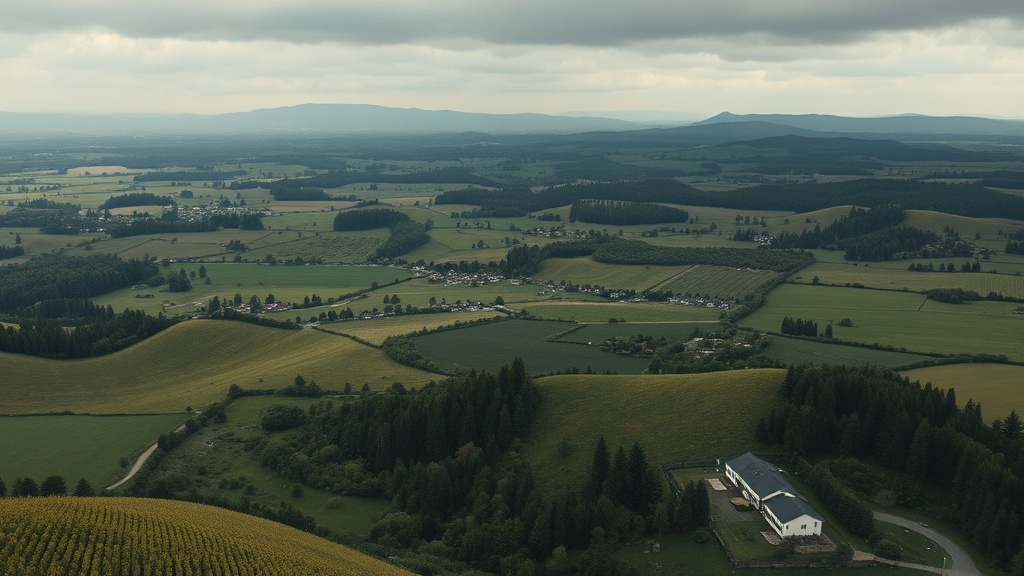
– Raw land: No utilities or improvements—cheapest up front but highest due diligence.
– Improved land: Roads, utilities, and possibly septic systems already in place.
– Agricultural land: Zoned and often taxed differently, with potential income from crops or livestock.
– Timberland and recreational parcels: Focus on timber value, hunting, or vacation use.
Essential due diligence checklist
– Zoning and land use: Confirm permitted uses with the local planning department.
Check setback requirements, minimum lot sizes, and density limits.
– Access and right-of-way: Ensure legal access via a public road or recorded easement. Driveway permits may be required.
– Utilities and services: Verify availability of water, sewer, electricity, gas, and broadband. If not available, get estimates for extending services or alternatives like well and septic.
– Topography and soil: Steep slopes, floodplains, rock, or poor soils can add huge costs for foundations and septic systems. A soil test and topographic survey are critical.
– Environmental restrictions: Wetlands, protected species habitats, and conservation easements can limit development. Order a wetland delineation or environmental report as needed.
– Title and liens: A title search will reveal easements, mineral rights issues, and unpaid taxes or liens. Consider title insurance.
– Permits and development costs: Understand permitting timelines and fees, impact fees, and utility hook-up costs.
– Survey: A boundary survey avoids disputes and clarifies what you’re actually buying.
Financing and costs
Financing raw land differs from typical home mortgages. Lenders often require larger down payments and charge higher rates. Options include land loans, seller financing, or leveraging other property. Factor in ongoing costs: property taxes, insurance, maintenance, and potential association fees. If the land will be income-producing, model realistic cash flow and vacancy assumptions.
Maximizing value and minimizing risk
– Start local: Work with a real estate agent who specializes in land. They know local regulations and comparable sales.
– Engage professionals early: Surveyors, civil engineers, environmental consultants, and attorneys can save money by uncovering hidden issues.
– Consider phased development: Build in stages to manage capital and respond to market demand.
– Preserve upside: Retain mineral rights when selling portions of acreage and research future infrastructure plans that could boost value.
– Be patient: Land transactions often take longer than home sales because of permitting and financing complexities.
Final tips
Drive the property at different times and seasons. Meet neighbors and talk to the county planning office. Keep a checklist and timeline for inspections, permits, and closing requirements.
With careful due diligence and the right team, land can deliver flexibility, privacy, and long-term value.