
Why energy-efficient upgrades sell homes faster — and for more
Buyers are paying closer attention to monthly costs and long-term durability, so energy-efficient improvements are no longer niche features. Upgrades that reduce utility bills and improve comfort give sellers a marketing edge and buyers tangible value. Here’s how to prioritize upgrades, prove their benefits, and maximize return on investment when selling or buying a property.
Why energy efficiency matters to buyers
Lower utility bills, improved indoor comfort, and reduced maintenance are immediate selling points. Many buyers also view efficient systems as less risky and more modern, which can speed decision-making and justify higher offers. Lenders and appraisers increasingly recognize documented energy savings, helping translate efficiency into measurable market value.
High-impact, cost-effective upgrades
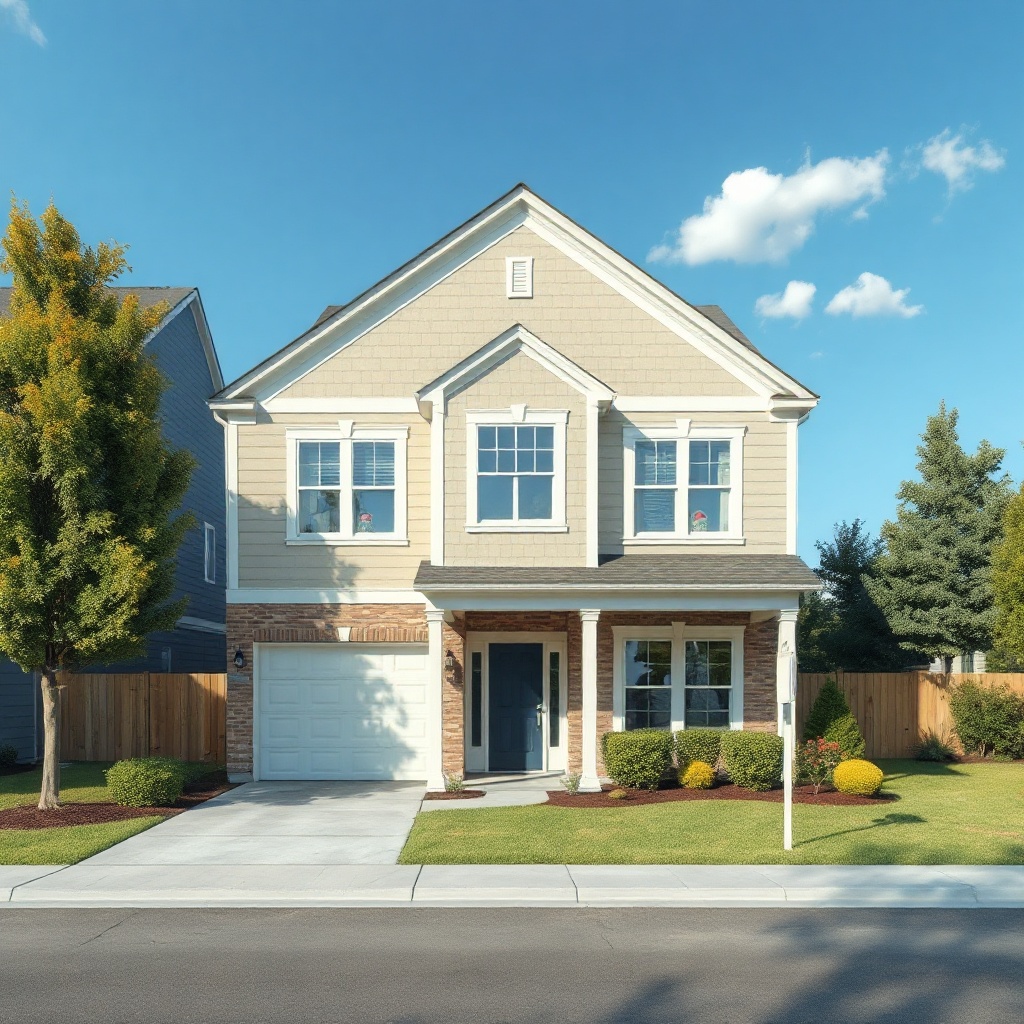
– Insulation and air sealing: Sealing leaks and adding insulation are among the most cost-effective ways to lower heating and cooling loads. These upgrades enhance comfort and reduce strain on HVAC systems.
– High-efficiency HVAC: Replacing an old furnace, boiler, or air conditioner with a more efficient model often yields clear energy savings buyers can understand.
– Efficient windows and doors: Target problem areas where drafts or single-pane glazing lead to high energy loss. Strategic window replacement can boost curb appeal and comfort.
– Water heaters and tankless options: Upgrading to a higher-efficiency water heater or a tankless system can cut energy waste and free up space.
– Smart thermostats and controls: Relatively low-cost, smart controls improve efficiency and appeal to tech-savvy buyers.
– Solar panels and battery storage: Where feasible, solar systems can lower electric bills or offer net metering benefits.
Clear documentation of production and ownership terms is essential.
Financing and incentives
A range of financing tools can make upgrades accessible: energy improvement loans, green mortgages, utility rebates, and Property Assessed Clean Energy (PACE) programs.
Many local and federal incentives exist to offset upfront costs; consult a qualified lender or local energy office to identify applicable programs. For sellers, making upgrades before listing can be financed through home equity or targeted renovation loans that pay back after a sale.
Documenting the value
Documentation is crucial. Keep invoices, product specifications, and warranty information. Obtain a home energy audit or a pre- and post-upgrade energy report to quantify savings. Certifications—such as ENERGY STAR for appliances or a HERS score for whole-home performance—provide third-party credibility that buyers and appraisers respect.
Marketing efficiency features
Highlight efficiency features prominently in listings and show current utility bills to demonstrate real-world savings. Use specific language: “new high-efficiency heat pump,” “updated insulation with blower door report,” or “solar system with ownership documentation.” Offer a seller-paid home warranty or transfer any warranties on upgraded equipment to reduce buyer concerns.
Impact on appraisal and sale price
Appraisers increasingly account for energy performance when comparable sales include efficient homes.
Well-documented upgrades supported by utility data and certificates can strengthen a valuation case. Even if the appraisal doesn’t capture the full perceived value, efficiency improvements often expand the buyer pool and accelerate time on market—both valuable outcomes for sellers.
Practical next steps
Start with a professional energy audit to identify the highest-return measures for your property. Prioritize air sealing, insulation, and efficient HVAC before more costly items. Bundle improvements when possible to maximize cost-effectiveness and marketing appeal. Finally, document everything—buyers buy confidence as much as upgrades.
Energy-efficient upgrades do more than lower bills: they improve marketability, reduce risk, and can generate a measurable premium at sale. With strategic choices and clear documentation, efficiency becomes a compelling selling point that benefits both sellers and buyers.