
How Remote Work Is Reshaping Housing Demand — What Buyers, Sellers, and Developers Should Know
Remote work has moved beyond a temporary experiment and become a durable factor in how people choose where and how to live. That shift is changing neighborhood priorities, home design, and the balance between urban rental markets and suburban or small-city housing.
Whether you’re buying, selling, or developing property, understanding these changes helps you make smarter decisions.
What’s changing in housing demand
– Location flexibility: With fewer commutes, many households prioritize space and affordability over proximity to central business districts.
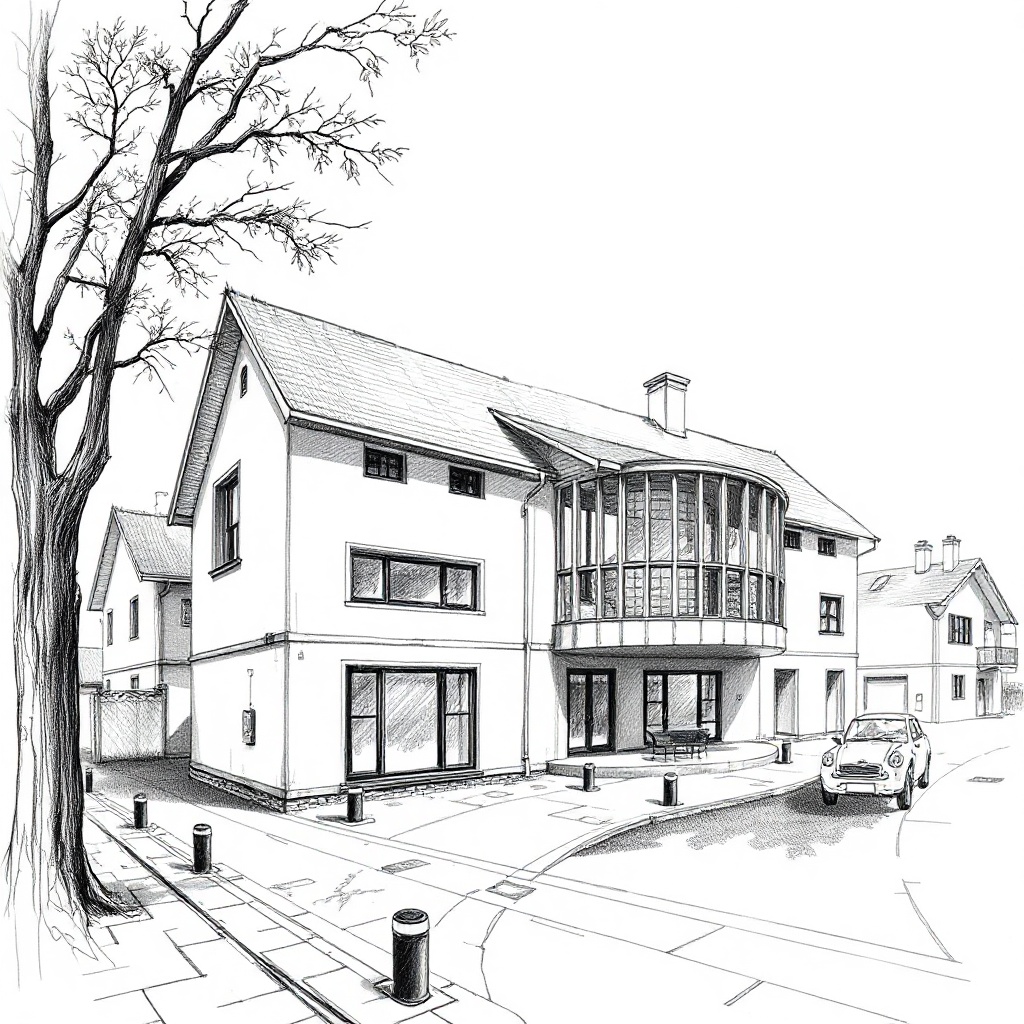
This fuels demand for suburbs, smaller cities, and even rural areas with reliable internet and amenities.
– Home office as a must-have: Dedicated, quiet workspaces rank high on wish lists. Buyers want rooms that double as offices, or flexible layouts that can accommodate privacy, storage, and video-call-friendly backgrounds.
– Amenities and lifestyle: Walkability, green space, and local services matter more. Neighborhoods that offer outdoor recreation, quality broadband, and convenient shopping see stronger interest from remote-capable workers.
– Short-term rental and second-home dynamics: Increased flexibility drives interest in vacation homes and properties that can serve as both a retreat and a primary workspace for part of the year.
– Urban rental market adjustments: City centers are adapting with more flexible leases, co-living options, and conversions of office space to housing in markets where demand shifted.
Practical tips for buyers
– Prioritize internet infrastructure: Fast, reliable broadband is non-negotiable. Ask about fiber availability, mobile coverage, and any data caps.
– Look for adaptable floor plans: Rooms that can be easily reconfigured to meet changing needs add long-term value. Consider soundproofing and natural light when evaluating spaces.
– Evaluate commute trade-offs: Even hybrid schedules mean occasional commutes. Balance distance to transit or major roads with the value gained from larger, quieter properties.
– Consider resale with remote-work trends in mind: Homes designed for flexible living—extra bedrooms, office nooks, outdoor space—appeal to a broader buyer pool.
Strategies for sellers and landlords
– Stage a functional workspace: Showcasing a tidy, well-lit home office helps buyers visualize remote work lifestyle. Highlight built-in storage and noise-reduction features.
– Emphasize connectivity and local perks: Include information about internet speeds, co-working spaces, parks, and neighborhood cafés in listings.
– Offer lease flexibility: Landlords can attract tenants by allowing shorter or hybrid lease terms and accommodating remote workers’ needs for reliable internet and workspace.
Advice for developers and investors
– Build with adaptability: Modular units, flexible common areas, and integrated smart-home tech appeal to long-term buyers and renters.
– Retrofit existing assets: Converting underused office spaces into residential units or upgrading multifamily properties with private work nooks can capture shifting demand.
– Focus on quality of life: Amenities like quiet workrooms, soundproofing, bike storage, and outdoor communal areas increase marketability.
Remote work’s impact on real estate is multi-layered and lasting. Properties that combine reliable connectivity, adaptable spaces, and neighborhood amenities are positioned to perform well as preferences continue to evolve. When planning your next move—buying, selling, leasing, or developing—prioritize flexibility and connectivity to align with how people live and work today.