
Smart strategies when looking at houses for sale
Searching for the right house is about more than location and price. Savvy buyers focus on hidden value, long-term costs, and how a property will adapt to changing needs. Use these practical strategies to evaluate houses for sale and make choices that hold up over time.
Start with a priorities checklist
Before touring listings, list must-haves versus nice-to-haves. Must-haves might include minimum bedrooms, commute time, school quality, or accessibility features. Nice-to-haves can be things like a fireplace, an oversized garage, or designer finishes. A clear checklist saves time and prevents impulse decisions when multiple attractive options appear.
Assess neighborhood quality, not just the house
A great house in a declining neighborhood can be a risky purchase. Look beyond curb appeal: visit at different times of day, check street noise, note traffic patterns, and observe maintenance of nearby properties. Research development plans or zoning changes that could affect future desirability. Walkability, nearby green space, and access to public transit contribute strongly to resale value.
Prioritize functional layout over cosmetic style
Charm is alluring, but layout determines daily comfort. Open sightlines, ease of movement between kitchen and living areas, logical bedroom placement, and storage capacity should take precedence over trendy finishes.
Cosmetic changes like paint or countertops are relatively inexpensive compared with reconfiguring walls or plumbing.
Inspect systems and long-term maintenance items
Major systems drive long-term costs. During showings and inspections, give extra attention to:
– Roof condition and remaining life expectancy
– HVAC system age and maintenance history
– Water heater and plumbing condition (look for signs of leaks or corrosion)
– Electrical panel adequacy and safety
– Foundation and drainage issues, including grading and guttering
Ask for service records and recent repair invoices. A well-documented maintenance history often signals a property that was cared for.
Factor in energy efficiency and utility costs
Energy-efficient homes lower monthly expenses and appeal to future buyers.
Check for:
– Insulation quality in attic and exterior walls
– Window types and seals
– High-efficiency appliances and HVAC systems
– Programmable thermostats or smart controls
Request recent utility bills when possible to understand baseline costs.
Think like a buyer and a seller
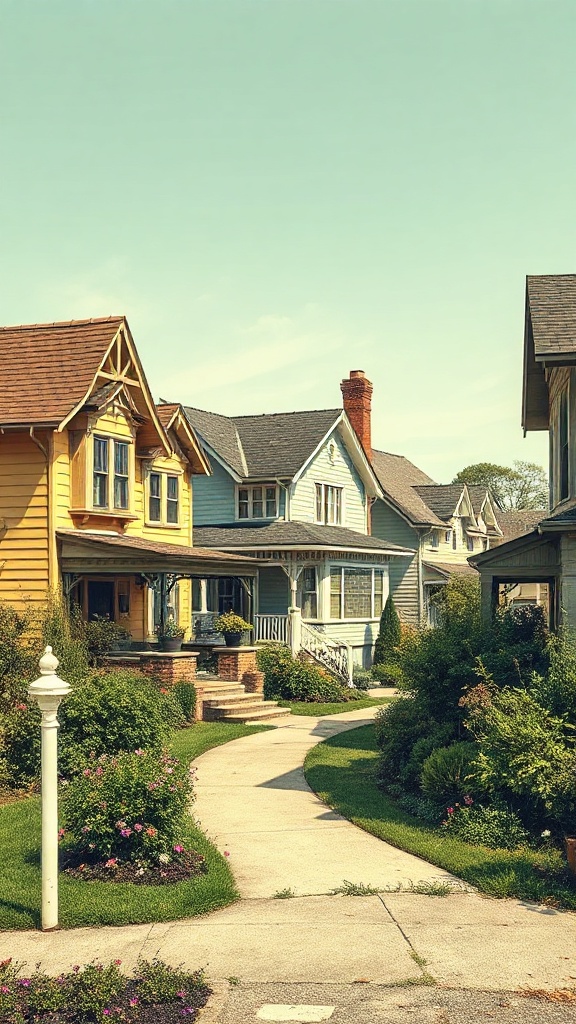
Evaluate a property’s resale potential. Unique features might be appealing to you but could limit the buyer pool.
Neutral finishes, flexible living spaces, and ample storage typically broaden appeal. Consider how easily the home could be updated to match mainstream tastes without major structural changes.
Leverage professionals to reduce risk
A thorough home inspection is essential.
In addition, consider specialized inspections when warranted: sewer scope for older homes, roof certification, radon testing, or pest inspections. Work with a real estate agent who understands the local market and can advise on comparable sales, proper pricing, and negotiating repairs.
Negotiate smart, not aggressive
Use inspection findings to request repairs or credits, but prioritize fixes that affect safety or structural integrity. For cosmetic issues, ask for a concession or price reduction if compensation is preferred.
A reasonable approach often achieves better results than a confrontational one.
A thoughtful, methodical approach to houses for sale protects your investment and ensures the home you choose supports your lifestyle. Focus on durability, location dynamics, and long-term costs to make a decision that feels right now and remains wise over time.