
Shopping for houses for sale today means balancing timeless priorities—location, layout, condition—with newer buyer expectations like energy efficiency and flexible workspaces. Whether you’re browsing listings or preparing to sell, focusing on a few high-impact areas will make the process smoother and increase long-term value.
What buyers are prioritizing
– Flexible floorplans: Dedicated home offices, multi-use rooms, and larger common areas remain highly desirable. Buyers look for spaces that can adapt as needs change.
– Energy efficiency: Improved insulation, modern windows, efficient HVAC systems, and solar-ready roofs add appeal and reduce ongoing costs. Energy-efficient appliances and smart thermostats are attractive selling points.
– Outdoor living: Private yards, covered patios, and usable landscaping extend living space and boost marketability. Low-maintenance outdoor features are especially popular.
– Smart-home features: Integrated lighting, security, and HVAC controls are expected by many buyers. Even basic smart locks or video doorbells can help listings stand out.
– Location and walkability: Proximity to good schools, transport options, groceries, and parks continues to drive buyer decisions.
How sellers can maximize interest
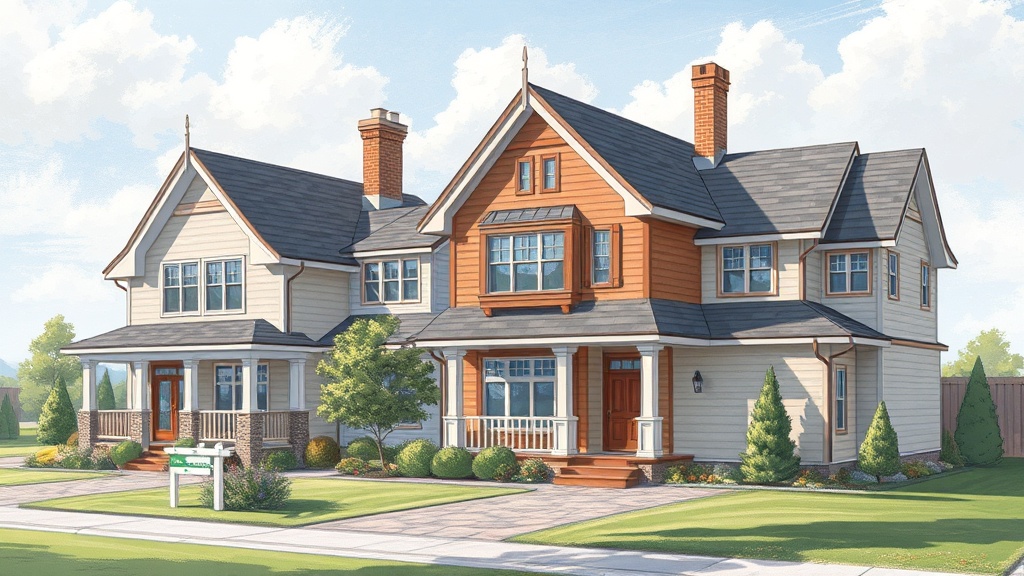
– Curb appeal matters: First impressions are powerful. Fresh paint, trimmed hedges, a tidy entry, and a welcoming front door invite buyers to take a closer look.
– Declutter and depersonalize: Buyers need to picture themselves in the space. Neutral walls, open counters, and fewer personal photos make it easier to imagine a future there.
– Professional photography and virtual tours: High-quality images and 3D tours increase showing interest and can reduce time on market. Highlight natural light, flow between rooms, and any recent updates.
– Small, strategic upgrades: Cosmetic updates like modern cabinet hardware, updated light fixtures, and refreshed tile can yield strong returns. Prioritize visible areas: kitchens, bathrooms, and entryways.
– Transparent disclosures and recent inspections: Being upfront about condition builds buyer trust. A pre-listing inspection can identify issues to address or disclose early.
What to look for when touring houses
– Structural and moisture issues: Check basements, crawlspaces, and attic vents. Signs of water intrusion, uneven floors, or exterior cracks warrant a professional inspection.
– Systems and maintenance history: Ask for records of HVAC, roof, electrical, and plumbing work. Understanding when major systems were last serviced helps anticipate future expenses.
– Natural light and ventilation: Rooms with good light and airflow feel larger and healthier. Consider window placement and the possibility for cross-ventilation.
– Neighborhood fit: Visit at different times of day to evaluate noise, traffic, and community activity. Talk to neighbors when possible to get local insights.
Negotiation and protections
– Use contingencies wisely: Inspections, appraisal, and financing contingencies protect buyers. Sellers can strengthen offers with pre-inspection and clear timeline expectations.
– Consider total cost of ownership: Property taxes, insurance, utilities, and maintenance should factor into affordability, not just the monthly mortgage payment.
– Work with trusted professionals: A knowledgeable agent, experienced inspector, and reliable lender can simplify decisions and reduce risk.
Houses for sale that combine practical upkeep with modern comforts attract the broadest pool of buyers. Prioritize improvements that improve livability and reduce long-term costs, present properties transparently, and focus on how a home can accommodate evolving lifestyles. These approaches help listings sell faster and buyers feel confident about their investment.