
Houses for sale: what buyers and sellers need to know now
The market for houses for sale is shaped by practical priorities that transcend short-term cycles. Whether you’re listing a property or hunting for your next home, focusing on presentation, flexibility, and value will help you stand out and make smarter decisions.
Curb appeal and first impressions
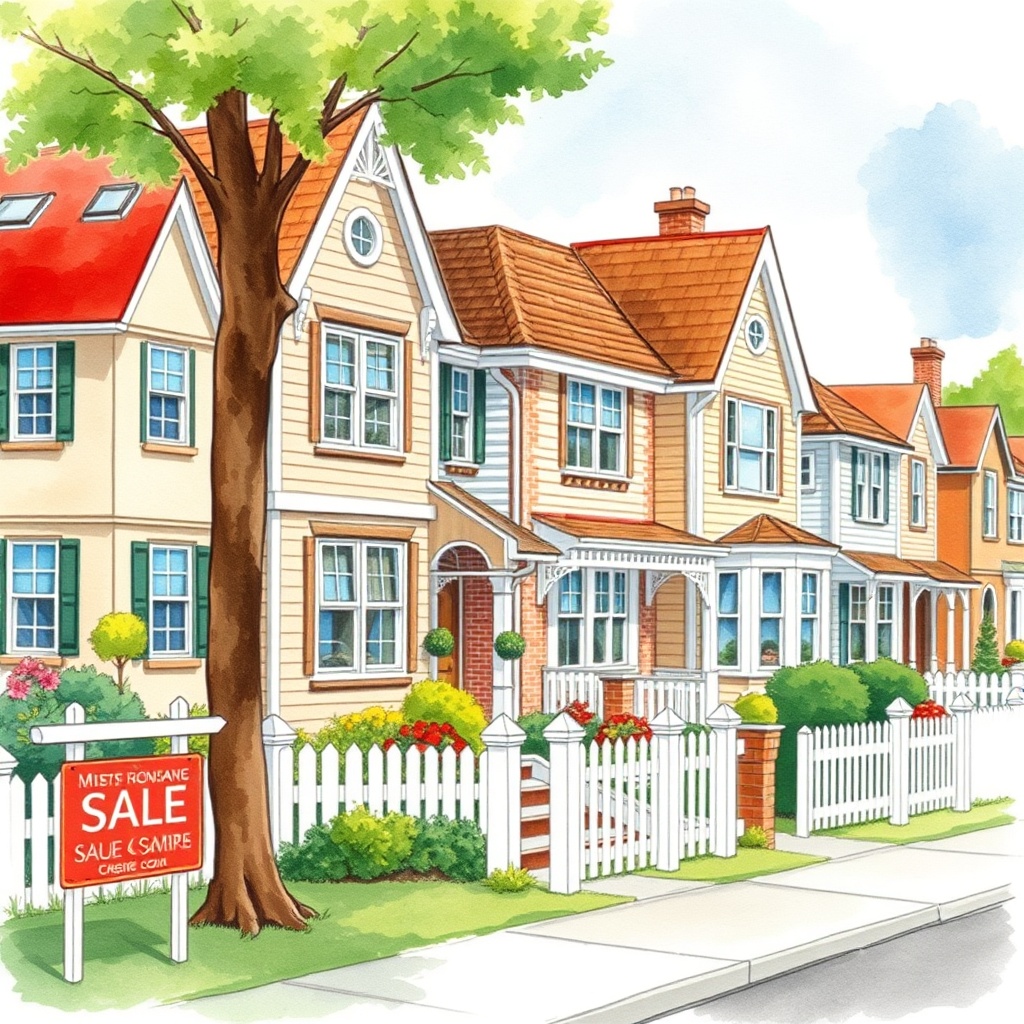
Buyers form opinions within seconds of arriving at a property. Simple, cost-effective improvements can transform that first impression: fresh paint on the front door, well-trimmed landscaping, clean gutters, and updated exterior lighting. Small upgrades like modern house numbers and a maintained walkway increase perceived value and often speed up offers.
Smart staging that sells
Staging helps buyers visualize living in the space. Aim for a neutral, decluttered look with strategically placed furniture to emphasize flow and scale. Remove overly personal items and limit bold decor that distracts. For vacant homes, consider virtual staging or minimal, rented furniture to create warmth without a big investment.
Highlight usable spaces—home offices, outdoor patios, and flexible rooms—since lifestyle needs drive many purchase decisions.
Prioritize energy efficiency and low-maintenance features
Energy-efficient windows, upgraded insulation, programmable thermostats, and simple solar-ready wiring add buyer appeal. Even small improvements, like LED lighting and high-efficiency appliances, signal a house that’s easier and cheaper to maintain. Clearly communicating utility savings and recent upgrades in your listing can attract quality offers from buyers who factor running costs into their budgets.
Pricing strategy and market transparency
Accurate pricing is crucial. Overpricing can lead to stale listings and missed opportunities; underpricing may spark a bidding war but can leave money on the table if not carefully planned.
Work with an agent or use reliable market comparables to set a realistic price range, and be open to negotiation.
Transparent disclosures about repairs, renovations, and inspection results build trust and reduce the risk of last-minute fallout.
Open houses and digital tours
While in-person showings remain important, high-quality photos and virtual tours extend your reach to out-of-town or time-constrained buyers. Use wide-angle photography, consistent staging, and clear floor plans. For open houses, ensure the property is clean, odor-free, and well-lit. Consider scheduling by-appointment visits for serious buyers who prefer a quieter walkthrough.
Inspection readiness and repair prioritization
Pre-listing inspections can identify deal-killing issues early and give sellers time to make cost-effective repairs.
Prioritize structural, roofing, and HVAC concerns that could affect financing or insurance. When major repairs aren’t feasible, offer competitive pricing or seller concessions to keep negotiations moving.
Know the neighborhood selling points
Buyers evaluate houses in the context of community lifestyle: schools, transit options, walkability, and nearby amenities matter.
Highlight local strengths in listings and marketing materials.
If the area is undergoing positive development—new parks, retail, or transit investments—present that information factually to help buyers see future value.
Flexibility and realistic timelines
Timing and flexibility influence outcomes. Being open to reasonable contingencies, flexible closing dates, or rent-back options can make a property more attractive to a wider pool of buyers. Similarly, buyers who are pre-approved and ready to move quickly gain negotiating leverage.
Final thought: balance preparation with realism
Selling or buying a house requires a mix of presentation, accurate pricing, and strategic negotiation. Invest in high-impact upgrades, present the home clearly online and in person, and maintain transparency about condition and costs. Those steps increase the chance of a smooth transaction and a satisfying outcome for both parties.