
Buying or selling a house is more than a transaction—it’s a strategic process shaped by presentation, timing, and practical decisions. Whether you’re listing a family home or hunting for a property that fits a changing lifestyle, these proven tactics help you stand out in the market and make smarter choices.
First impressions matter: curb appeal and photos sell. A tidy yard, fresh paint on the front door, and attention to landscaping can increase perceived value without a large investment. Hire a professional photographer; high-resolution images, twilight shots, and accurate floor plans attract more clicks. Offer a virtual tour or 3D walkthrough to capture buyers who start their search online—properties with immersive digital assets spend less time on the market.
Stage with intent. Declutter, depersonalize, and create defined spaces that showcase how rooms can be used. Neutral paint, layered lighting, and minimal, tasteful furnishings help buyers envision themselves living there. For homes positioned toward remote workers, highlight a dedicated workspace with good lighting and privacy—this is a common buyer priority today.
Price smartly.
Overpricing can stall interest; underpricing risks leaving money on the table. Use local comparable sales, adjust for upgrades and condition, and consider a pre-listing inspection to avoid surprises.
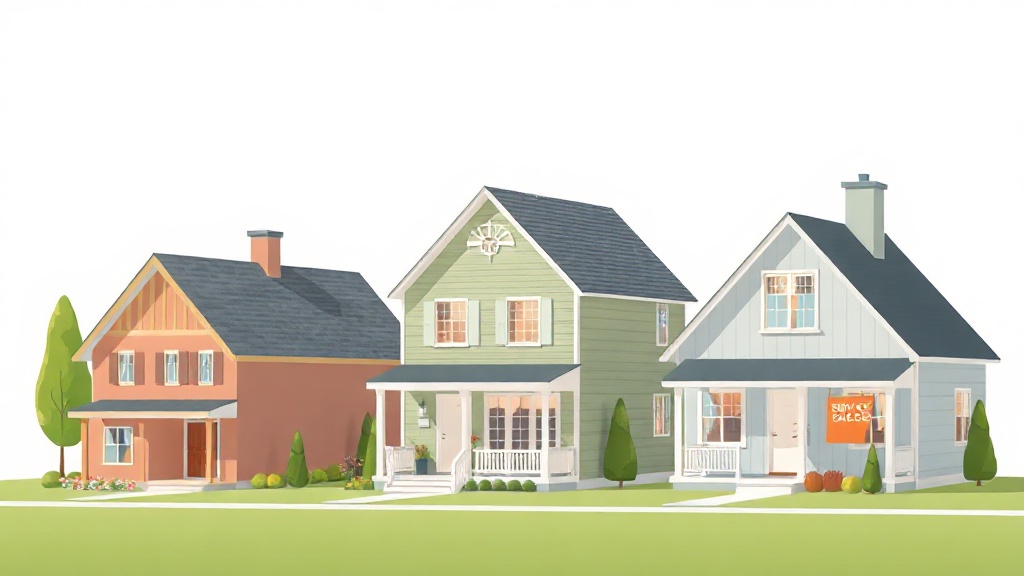
Some sellers benefit from a short pricing window strategy: set a competitive price to generate multiple offers, then leverage interest to achieve your target net.
Work closely with an agent who knows the neighborhood and has active buyer networks.
Market with precision. Craft a listing that balances emotion and specifics: lead with standout features (open-concept kitchen, backyard privacy, finished basement), then include concrete details—square footage, number of bedrooms and baths, major system updates, and recent remodels. Highlight neighborhood perks: transit access, schools, parks, walkability, and local amenities. Use targeted online ads and social media to reach the most likely buyers, and schedule open houses at times that maximize exposure.
Protect yourself with inspections and clear contingencies. Buyers should get a home inspection, pest inspection, and, where relevant, sewer scope or roof inspection.
Sellers can preempt renegotiation by providing inspection reports and receipts for repairs.
Consider offering a home warranty to reduce buyer anxiety about unknown maintenance costs.
Factor in modern priorities.
Energy-efficient upgrades, smart thermostats, EV charging readiness, and low-maintenance landscaping appeal to many buyers and can be strong marketing points. If your home has solar panels or efficient heating and cooling systems, clearly present cost savings and warranty information.
Negotiate wisely. Prepare your priorities before offers arrive—are you focused on price, closing timeline, or contingencies? Respond to offers promptly and evaluate them holistically. Buyers may include appraisal or financing contingencies; sellers can counter with creative solutions like temporary rent-backs or covering certain closing costs to smooth the deal.
Final walk-through and closing details matter. Encourage buyers to do a final walk-through to confirm agreed repairs and condition. Ensure all documents are organized—disclosure forms, receipts, warranties, and appliance manuals make closing smoother and build buyer confidence.
Whether buying or selling, staying informed and leaning on professionals—agents, inspectors, and mortgage specialists—helps you navigate the process with fewer surprises.
Thoughtful presentation, realistic pricing, and clear communication turn houses for sale into successful sales for both parties.