
Green living is a prominent trend that’s currently sweeping the real estate market. As more people become concerned about the environment, energy efficiency and sustainable living move up their list of priorities when looking for a property.
This shift in consumer behavior has led to an evolution in real estate, paving the way for the green revolution.
Today’s homeowners and tenants increasingly request properties with energy-efficient features. Not only are they driven by a desire to reduce their carbon footprint, but they also understand the financial benefits. Significant savings can be made on utility bills with features such as solar panels, energy-efficient appliances, and smart home technologies that regulate heating and cooling efficiently.
The green revolution in real estate doesn’t stop at energy efficiency.
Sustainable building materials are also a significant focus. Recyclable materials such as bamboo, recycled steel, and reclaimed wood are not only eco-friendly but can also add aesthetic appeal to a property. These materials reduce the demand for new resources, thereby minimizing the environmental impact of property construction and renovation.
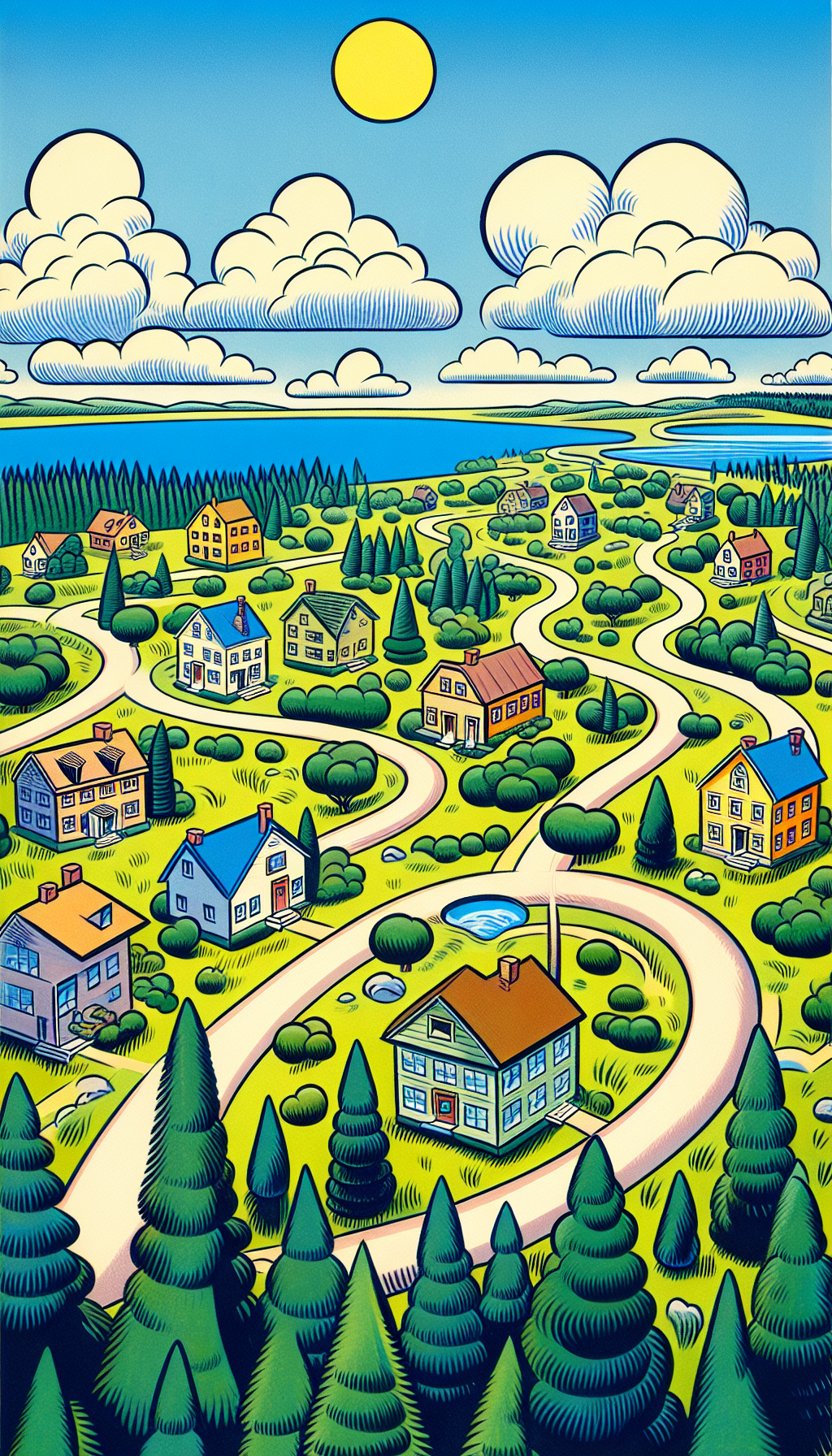
Another essential aspect of the green revolution in real estate is the increasing demand for properties with green spaces. Today’s homebuyers show a strong preference for homes with gardens or those located near parks and other green areas. These spaces not only enhance the quality of life by providing recreational areas but also improve air quality and contribute to local biodiversity.
It’s important to note, the green revolution is not confined to residential real estate.
The commercial sector is also undergoing a significant shift towards sustainability. Businesses are recognizing the importance of sustainability as a selling point to eco-conscious consumers.
As such, many are choosing to operate from green buildings. These commercial properties often incorporate energy-efficient features, use sustainable materials, and provide green spaces for employees.
The rise of green building certifications also significantly contributes to the green revolution in real estate. Certifications such as LEED (Leadership in Energy and Environmental Design) and BREEAM (Building Research Establishment Environmental Assessment Method) are highly sought after.
These certifications are globally recognized and provide a benchmark for sustainability, making properties more attractive to potential buyers or tenants.
While the green revolution in real estate is certainly beneficial for the environment, it also offers significant economic benefits.
Green features can increase the value of a property, making it a sound investment. As the demand for green homes continues to rise, properties with these features are expected to fetch higher prices on the market.
Moreover, embracing the green revolution can also contribute to a community’s general well-being. Living in eco-friendly homes and working in green buildings can improve health and productivity. Improved air and water quality, natural lighting, and access to green spaces all contribute to a better quality of life.
The green revolution in real estate is a trend that’s not just shaping the industry but also influencing the way we live and work.
As more people recognize the environmental and financial benefits of green living, we can anticipate this trend will continue to grow. Whether you’re a property investor, a homebuyer, or a tenant, understanding the significance of this revolution can help you make informed, forward-thinking decisions in the real estate market.