
Sustainable upgrades are no longer just a niche preference — they’re a practical way to increase a property’s appeal and long-term value.
Buyers are actively looking for homes that promise lower utility bills, healthier indoor environments, and modern features that reduce future maintenance.
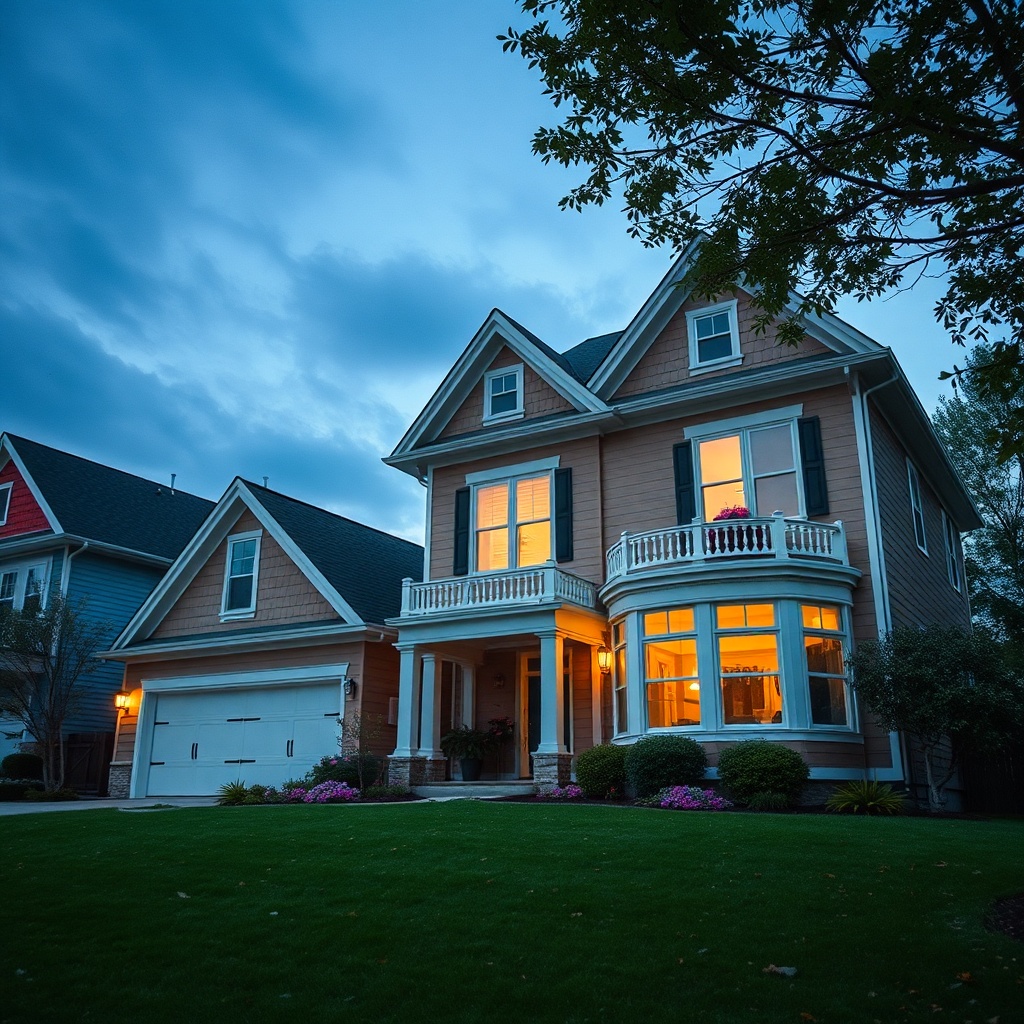
That makes energy- and resource-efficient improvements a smart investment whether you’re preparing a home for sale or planning to live in it for the long haul.
Why sustainable upgrades matter
– Lower operating costs: Energy-efficient systems and improved insulation reduce monthly heating, cooling, and electricity bills, which is a major selling point for cost-conscious buyers.
– Market differentiation: Homes with documented efficiency measures stand out online and often attract more showings and stronger offers.
– Resilience and comfort: Upgrades like better insulation, modern HVAC systems, and improved ventilation increase comfort and indoor air quality, which buyers value beyond simple savings.
High-impact upgrades with strong return potential
– Air sealing and added insulation: Often the most cost-effective way to cut energy waste.
These measures improve comfort and reduce HVAC load without a large upfront spend.
– Smart thermostat and lighting: Low-cost, easy-to-install devices that consumers immediately understand. They show buyers that the home is modern and tuned for efficiency.
– LED lighting and low-flow fixtures: Small investments with quick payback that signal attention to detail and efficiency.
– High-efficiency HVAC or heat pumps: Replacing aging systems with efficient heat pumps or modern furnaces reduces energy use and can be a major selling point in climates with seasonal extremes.
– Energy-efficient windows and doors: These limit heat transfer and improve comfort; they also reduce condensation and maintenance needs.
– Solar panels and battery storage: For many buyers, on-site renewable generation is a top-tier feature that lowers utility dependency and can enhance resale value—documented production data is especially persuasive.
– Electric vehicle (EV) chargers: As EV ownership grows, a pre-wired or installed Level 2 charger can tip the scales for tech-forward buyers.
Documentation and marketing
Keep records of permits, product warranties, utility bills showing reduced consumption, and any third-party certifications (such as ENERGY STAR or other recognized efficiency labels).
When listing, highlight projected or documented savings and include inspection reports that verify work quality. Use clear, benefit-oriented language in listings — for example, “monthly utility bills reduced by X%” or “fully documented solar system with transferable warranty.”
Tips for maximizing ROI
– Start with the envelope: prioritize insulation and air sealing before replacing systems to avoid oversizing HVAC equipment.
– Combine upgrades: pairing a smart thermostat with improved insulation and sealing yields disproportionate performance improvements.
– Check local incentives and rebates: municipal and utility programs can significantly lower upfront costs for many efficiency upgrades.
– Choose proven contractors and get multiple estimates: quality installation matters for performance and resale confidence.
– Stage and photograph efficiency features: visual proof, like a clean solar array or a new heat-pump unit, reinforces listing claims.
Sustainable upgrades balance immediate lifestyle benefits with long-term financial sense. By prioritizing measures with strong payback, documenting results, and marketing efficiency clearly, sellers can increase buyer interest and buyers can enjoy a more comfortable, cost-effective home.