
Energy-efficient and smart-home upgrades are no longer niche luxuries — they’re powerful ways to increase marketability, reduce operating costs, and future-proof a property. Whether you’re preparing a home for sale or improving long-term rental income, prioritizing the right improvements delivers the best combination of buyer appeal and everyday value.
Why efficiency and smart tech matter
– Lower operating costs: Buyers and renters pay attention to utility bills.
Energy-efficient systems reduce monthly expenses, making properties more attractive.
– Faster sales and higher rents: Properties with verified efficiency upgrades or smart features often spend less time on the market and command premium rents.
– Regulatory and insurance benefits: Many jurisdictions and insurers favor energy upgrades and resilient systems, which can translate into incentives or lower premiums.
– Perceived value: Smart-home features signal a well-maintained, modern property — an emotional plus during buyer decisions.
High-impact upgrades to consider
– Insulation and air sealing: Often the most cost-effective way to reduce heating and cooling loads.
Start with attics, basements, and ductwork.
– High-efficiency HVAC and heat pumps: More efficient climate control systems cut energy use and improve comfort. Proper sizing and professional installation are critical.
– Smart thermostat: Affordable, easy to install, and a top-listed feature for many buyers because it optimizes energy use and integrates with other smart devices.
– LED lighting and daylighting: LEDs use far less energy and last longer than traditional bulbs. Adding well-placed windows or skylights enhances appeal and reduces daytime lighting needs.
– Energy Star appliances: New washers, dryers, refrigerators, and dishwashers offer efficiency gains and are tangible selling points.
– Windows and doors: Upgrading to energy-efficient windows and properly sealed doors reduces drafts and boosts curb appeal.
– Solar panels: For many properties, solar reduces utility bills and supports marketing as a low-cost-to-operate home. Consider lease, purchase, or community solar options based on cost and ownership goals.
– Water-saving fixtures: Low-flow toilets, faucets, and efficient irrigation systems are inexpensive upgrades that appeal to eco-conscious buyers.
– EV charging station: As electric vehicles become common, an accessible charger adds convenience and a competitive edge.
– Smart security and lighting systems: Cameras, smart locks, and integrated lighting systems increase perceived safety and modernity.
How to prioritize and finance upgrades
– Start with an energy audit: A professional audit—or DIY assessment—identifies the most effective improvements for your home’s profile and climate.
– Focus on low-cost, high-impact items first: Air sealing, programmable thermostats, LED lighting, and water fixtures often deliver quick wins.
– Leverage incentives and financing: Many utilities and local programs offer rebates or tax incentives. Specialized financing like green loans or energy-efficient mortgages can spread upfront costs.
– Keep documentation: Receipts, manufacturer warranties, and certification labels (Energy Star, HERS scores, or appliance ratings) boost buyer confidence and may influence appraisals.
Marketing and resale tips
– Feature efficiency data in listings: Share expected utility savings, certifications, and recent upgrades.
Buyers respond to concrete numbers and verified claims.
– Stage with tech in mind: Demonstrate remote controls, schedules, and automation to show real-life convenience.
– Highlight long-term savings: Emphasize lower operating costs and maintenance advantages alongside aesthetic improvements.
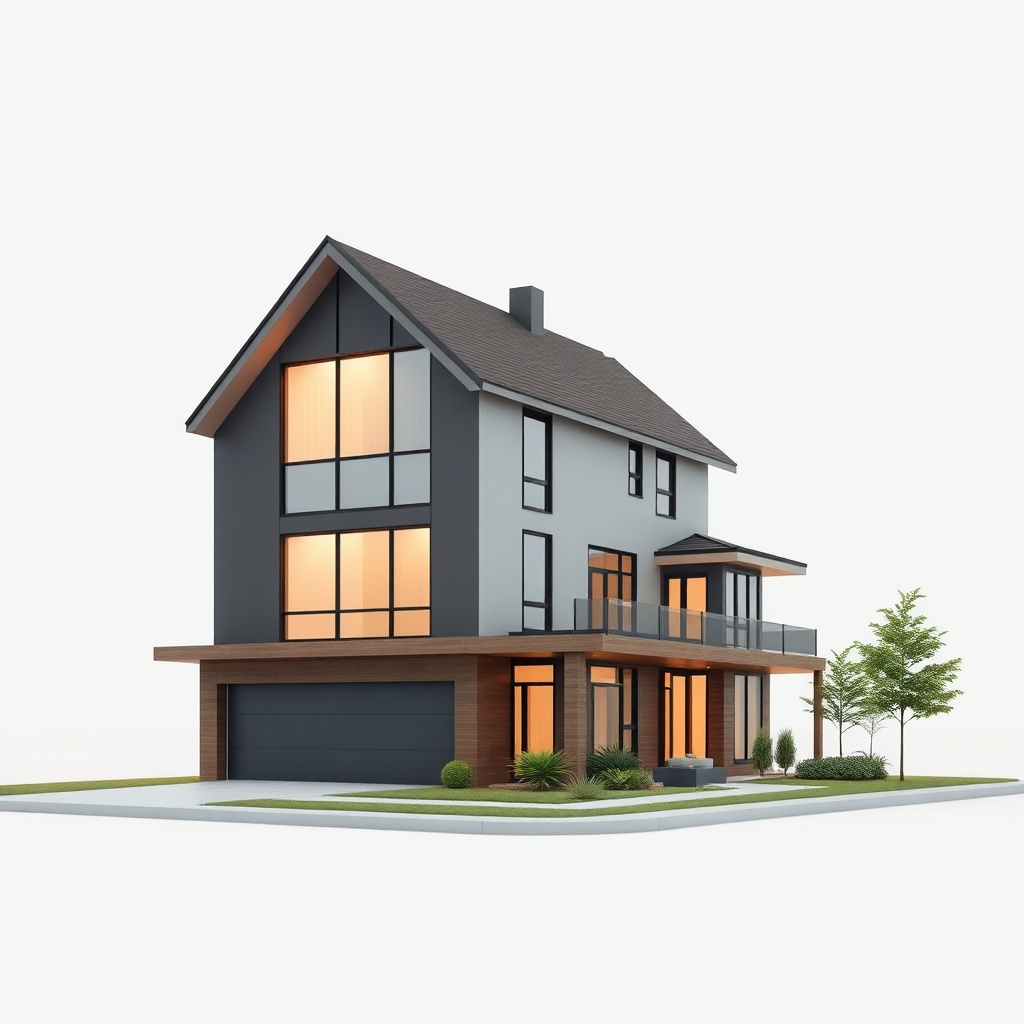
Start with an audit, prioritize improvements that align with your market and budget, and document everything. Smart, energy-focused upgrades make a property easier to sell or rent while improving daily comfort and reducing long-term costs.