
Buying land is a different kind of real estate decision. Whether you’re after a private getaway, a future home site, an investment parcel, or commercial development, smart buyers focus on practical due diligence and strategic planning long before making an offer.
What type of land is right for you
– Raw land: Undeveloped, often less expensive, but requires utilities and access improvements.
– Residential lot: Ready for building or near-ready, may already have utilities or approved permits.
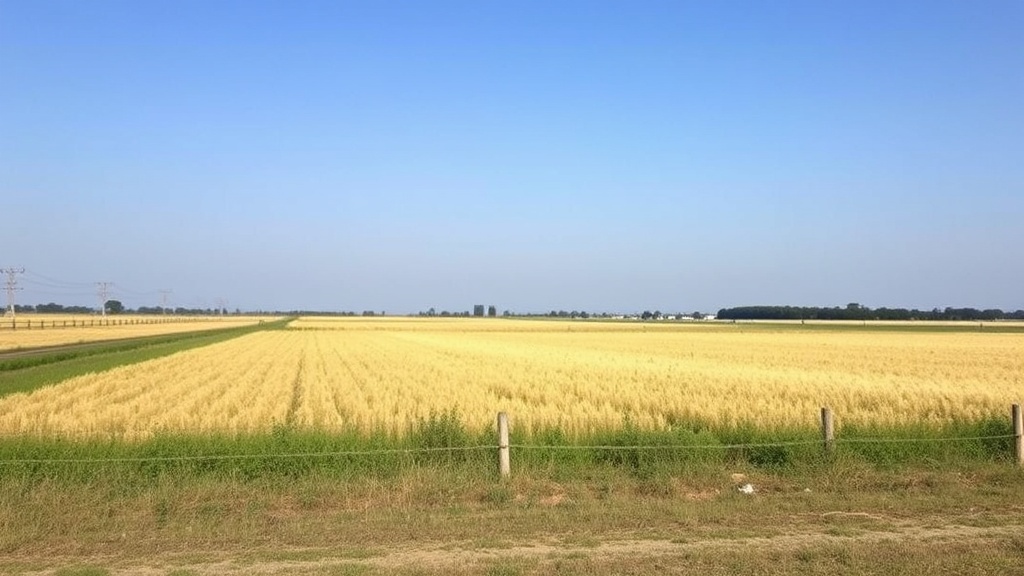
– Agricultural acreage: Suited for farming, timber, or conservation; may qualify for tax benefits.
– Recreational land: Timber, hunting, or riverfront properties that offer lifestyle value rather than immediate development potential.
– Commercial or infill parcels: Close to infrastructure and zoning for business use, usually higher cost per acre.
Key items to check before you buy
– Zoning and land use: Confirm permitted uses, minimum lot sizes, setback requirements, and any planned changes to local zoning that could affect your project.
– Access and easements: Ensure legal access via public road or recorded easement. Verify any utility, conservation, or right-of-way easements that could limit use.
– Utilities and site readiness: Determine availability of water, sewer, electricity, natural gas, and broadband. For rural parcels, check for well yield and septic feasibility (perc test).
– Topography and soil: Review slopes, drainage, and soil stability. Poor soils or steep terrain can add substantial development costs.
– Environmental constraints: Identify wetlands, floodplains, endangered species habitat, or contamination. A Phase I environmental assessment can reveal hidden risks.
– Surveys and legal title: Obtain a recent boundary survey and title search.
Title insurance protects against unknown liens or title defects.
– Taxes and assessments: Look at current property taxes and any special assessments that could change ownership costs.
– Covenants and HOA rules: Neighborhood restrictions can limit building styles, outbuildings, or land use.
Financing and pricing realities
Financing raw land often looks different from home mortgages: lenders typically require larger down payments, shorter terms, or higher interest rates.
Options include local banks, credit unions, land loans, and seller financing. Compare total carrying costs—including property taxes, insurance, and loan interest—when evaluating price per acre versus long-term cost.
Ways to add value
– Subdivide or rezone: If local rules allow, subdividing or changing zoning can increase value, but expect time and cost for approvals.
– Site improvements: Adding driveways, utilities, or clearing buildable sites can make parcels market-ready and command higher prices.
– Income uses: Leasing to farmers, timber harvesting, recreational leases, or solar leases can generate income while holding for appreciation.
Negotiation and closing tips
– Use comparable land sales to justify your offer and ask the seller for recent surveys or environmental reports to avoid surprises.
– Include contingencies for inspections, surveys, financing, and septic/well tests.
– Work with a real estate lawyer or title company experienced in land deals to handle the unique closing issues such as easements and mineral rights.
Working with professionals
A land-savvy agent, surveyor, environmental consultant, and attorney can save time and money. Their local knowledge of permitting timelines, soil conditions, and utility providers is invaluable.
Buying land requires patience and careful planning, but with the right checklist and professional team you can turn a raw parcel into a dream home, a steady income stream, or a strategic long-term investment.
Start with thorough research, protect yourself with inspections and title coverage, and plan realistically for the costs of turning land into useable property.