
Whether you’re listing your house for sale or hunting for the right home, knowing what matters most can save time, money, and stress. Current buyer expectations combine traditional priorities — location, condition, price — with modern demands like energy efficiency, smart-home readiness, and high-quality online presentation. Here’s how to make a house for sale stand out and what buyers should watch for.
Prepare the house for sale
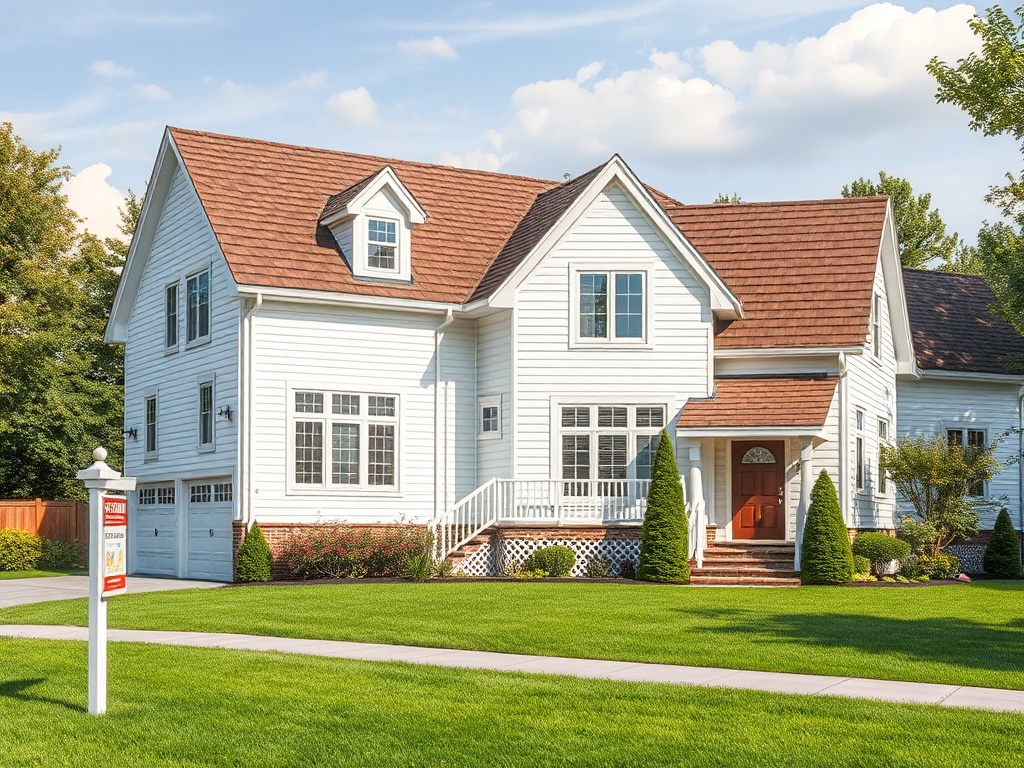
First impressions drive interest. Boost curb appeal with low-cost updates: fresh paint on the front door, well-trimmed landscaping, clean walkways, and working exterior lighting. Inside, declutter and depersonalize so buyers can imagine themselves living there. Focus on rooms that influence purchase decisions most: kitchen, living area, and primary bathroom. Small repairs (leaky faucets, sticking doors, burned-out bulbs) deliver disproportionate returns.
Staging tips that work
– Remove excess furniture to create a sense of space.
– Use neutral colors and minimal décor to appeal to a wider audience.
– Add plants for a fresh feel and natural color.
– Let in natural light and use warm, layered lighting for evening showings.
Pricing strategy and market research
Price is the single biggest driver of how quickly a house sells. Accurate pricing requires recent comparable sales, local market conditions, and realistic assessment of property condition.
A slightly under-market price can spark a bidding war, while an overpriced listing can languish. Work with an agent who provides a comparative market analysis and a clear plan for price adjustments if needed.
Marketing your listing
High-quality photos are essential. Hire a professional photographer who specializes in real estate and consider aerial shots for larger lots.
Virtual tours and 3D walkthroughs have become standard expectations; they help attract out-of-area buyers and reduce unnecessary showings. A compelling listing description should highlight unique selling points — finished basement, energy-efficient upgrades, walkable neighborhood — and include accurate measurements and recent improvements.
Energy efficiency and smart-home features
Buyers increasingly prioritize low operating costs and convenience. Highlight upgrades such as new insulation, energy-efficient HVAC, solar panels, or a smart thermostat. Electric vehicle charging stations and smart locks or security systems can provide an edge, particularly for tech-savvy buyers.
Showings, open houses, and safety
Be flexible with showing times and keep the house spotless and odor-free. For open houses, secure valuables and limit overly personal items. During showings, provide printed or digital fact sheets with key details: utility averages, HOA rules (if applicable), recent upgrades, and inspection reports if available.
Negotiation and closing
Buyers often negotiate based on inspection findings or perceived repair needs. Having a recent pre-listing inspection can reduce surprises and speed the sale. Understand common contingencies — appraisal, financing, and inspection — and be prepared to respond quickly. Closing costs, prorations, and timelines vary by location, so clear communication with your agent and lender is crucial.
For buyers: what to look for
Beyond surface appeal, request recent utility bills, neighborhood comparables, and repair histories. Prioritize a thorough home inspection and get quotes for any major work you anticipate. Factor in long-term costs like maintenance, taxes, and insurance when comparing houses for sale.
A successful sale balances strong presentation, accurate pricing, and modern marketing. Whether buying or selling, attention to detail and timely information lead to better outcomes and fewer surprises.