
How Remote Work Is Reshaping Suburban and Small-Town Real Estate
Remote work has permanently altered how many people evaluate homes and neighborhoods. Buyers who once prioritized proximity to an office now look for space, connectivity, and lifestyle. That shift is changing pricing dynamics, neighborhood demand, and what sellers and agents need to emphasize to move listings faster and at stronger prices.
What buyers are prioritizing
– Dedicated workspace: A quiet, private room or the ability to create one is near the top of wish lists.
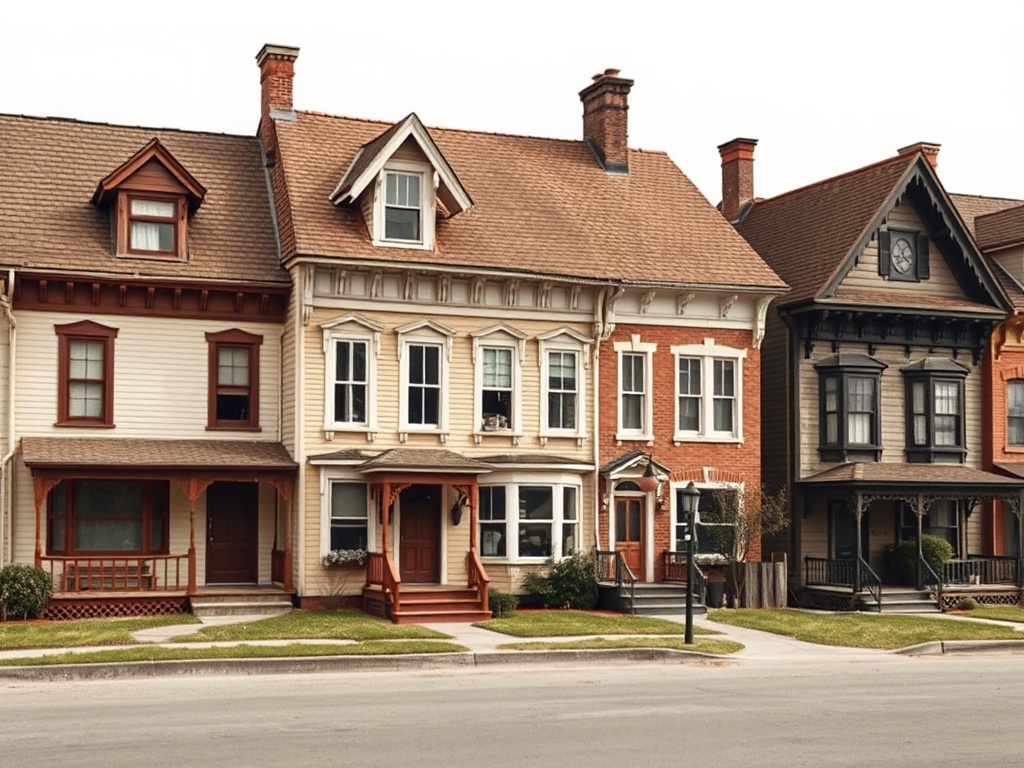
Buyers value natural light, soundproofing, and flexible floor plans that accommodate a home office.
– Reliable broadband: High-speed internet is a baseline requirement. Fiber, fixed wireless, or robust cable service significantly influence buying decisions and resale value.
– Outdoor space: Private yards, patios, and access to parks matter more as people spend more time at home and seek safe ways to exercise and entertain.
– Local amenities: Grocery options, health care, co-working spaces, and restaurants influence neighborhood choice even if daily commutes are rare.
– Commute flexibility: Buyers still consider transit options for occasional in-person meetings, but are more willing to accept longer commutes if it means more space and better lifestyle amenities.
How sellers and agents should adapt
– Showcase the home office: Stage one or more rooms as a functional workspace. Highlight natural light, outlets, built-in storage, and noise mitigation features.
– Prioritize connectivity in listings: Mention internet providers, typical speeds, and any recent upgrades. If the home includes a dedicated networking closet, mesh Wi-Fi, or professional-grade connections, make that a selling point.
– Emphasize flexible spaces: Use language like “multi-use room” or “easily convertible space” to appeal to buyers who need adaptable layouts for work, school, or wellness.
– Boost curb appeal and outdoor living: Simple landscaping updates, a clean patio, and staged outdoor seating extend perceived square footage and appeal to remote workers.
– Virtual-ready marketing: High-quality photos, video tours, and floor plans let remote buyers explore homes thoroughly before visiting in person.
Pricing and market dynamics to watch
Suburban and small-town markets that offer a combination of space, affordability, and reliable connectivity tend to see sustained interest. Properties with room to add a home office or to upgrade broadband often command a premium compared with similar homes lacking those features.
Conversely, homes without sufficient internet access or with awkward layouts may face extended time on market unless priced competitively.
Smart upgrades that offer good ROI
– Improve internet infrastructure: Installing a wired connection to the primary living areas or adding mesh Wi-Fi is relatively low cost and high value.
– Create or enhance a home office: Built-in shelving, a desk alcove, or simple partitioning can make a big difference.
– Add lighting and window treatments: Bright, glare-free workspaces photograph better and feel more productive.
– Landscape for low maintenance living: Drought-tolerant or native plantings reduce upkeep and appeal to busy buyers.
Checklist for buyers and sellers
– Confirm actual internet speeds at the property, not just advertised availability.
– Evaluate floor plans for a dedicated or easily created workspace.
– Consider proximity to essential services and occasional transit needs.
– Stage and photograph any space set up for work and outdoor living.
– Price with attention to functional upgrades that remote workers care about.
Remote work has broadened the definition of what makes a home desirable. Focusing on space, connectivity, and flexible living will help buyers find the right fit and sellers position properties to attract the growing segment of buyers who work from home. Use the checklist above to assess readiness or plan improvements that speak directly to today’s priorities.