
Listing or hunting for houses for sale requires more than curb appeal and a price tag. Whether you’re preparing to sell or getting ready to make an offer, understanding what buyers want and how to present a property can shorten market time and maximize value. Here are practical, high-impact strategies that work across markets.
Optimize online listings
Most home searches start online, so the first impression is digital. Use high-quality photos taken in natural light, highlight key rooms first, and include a clear, engaging description that features searchable terms buyers use, such as “move-in ready,” “open concept,” “energy-efficient,” and “walkable neighborhood.” Add a virtual tour or video walkthrough to keep listings competitive—buyers expect immersive content that helps them narrow choices before visiting.
Stage for the widest appeal
Staging helps buyers visualize living in the space. Remove personal items and clutter, neutralize bold paint choices, and arrange furniture to emphasize flow and purpose for each room. Small touches—fresh flowers, well-placed rugs, and coordinated towels—send signals of care and maintenance.
For vacant homes, partial staging or virtual staging can create atmosphere without major expense.
Prioritize curb appeal
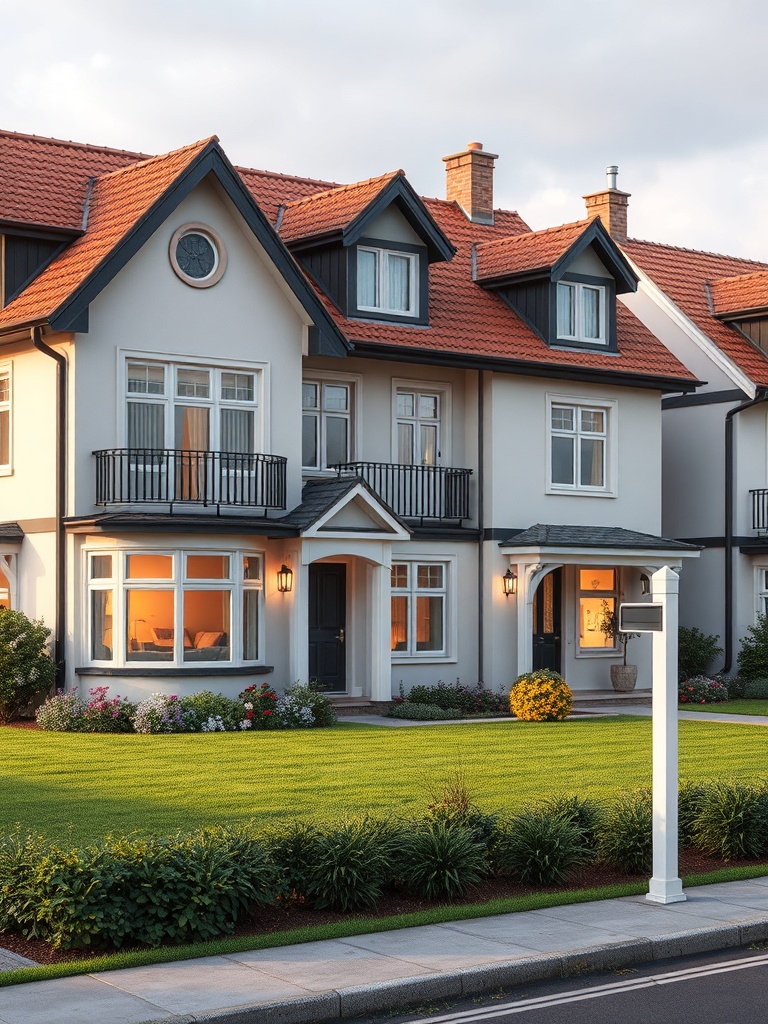
Exterior maintenance often determines whether someone schedules a viewing. Simple, cost-effective upgrades deliver strong returns: pressure wash siding and walkways, refresh landscaping with low-maintenance plants, repaint the front door, and ensure lighting and house numbers are modern and visible.
First impressions set expectations for interior condition.
Highlight energy efficiency and smart features
Buyers increasingly prioritize lower utility bills and modern conveniences. If the property has upgraded insulation, efficient HVAC, LED lighting, solar panels, or smart thermostats and security systems, list those features prominently. Provide documentation for maintenance and recent improvements—verified upgrades build buyer confidence and can justify a higher asking price.
Be transparent with disclosures and inspections
Clear, honest disclosures and a recent pre-listing inspection reduce friction during negotiations. Addressing minor issues before offers arrive turns potential deal-breakers into manageable fixes, and demonstrating proactive maintenance reassures buyers. For buyers, order a thorough inspection early after an accepted offer to avoid surprises and plan for repairs.
Price strategically and be prepared to negotiate
Pricing sets the tone. A competitive price generates interest and may prompt multiple offers; an inflated price can stall interest and lead to price reductions that attract bargain hunters. Understand comparable sales in the area and price relative to condition and upgrades.
Be prepared to negotiate on contingencies, closing timelines, and buyer credits for repairs—flexibility can seal the deal without changing the list price.
Leverage open houses and private showings
Open houses still work for creating buzz and capturing casual lookers, while private showings suit serious buyers.
Keep showings easy to schedule and the home clean and welcoming. For sellers, consider a showing feedback process to gather opinions and adjust strategy quickly if multiple viewers note the same concern.
Work with the right professionals
A knowledgeable agent, an experienced inspector, and a reliable lender form a strong team.
Agents advise on pricing and marketing; lenders help buyers move fast with pre-approvals; inspectors identify hidden issues. For sellers, professional photos and targeted online promotion extend reach to qualified buyers.
Focusing on these practical tactics—digital presentation, smart staging, clear communication about condition and upgrades, and strategic pricing—makes houses for sale stand out and helps transactions move smoothly from listing to closing.