
Finding — or selling — the right house for sale means more than scrolling listings. Whether you’re a first-time buyer, upsizing, downsizing, or an investor, a few strategic moves will help you get the best value and avoid costly surprises. Here’s a practical guide to navigating houses for sale with confidence.
Make listings work for you
High-quality photos, accurate descriptions, and floor plans are non-negotiable. Buyers scroll quickly; listings that open with bright, well-composed photos and a clear headline grab attention.
Look for listings that highlight unique selling points — natural light, updated systems, outdoor living space, or flexible rooms — and avoid listings with sparse descriptions or outdated imagery.
Know your financing before you look
Getting pre-approved for a mortgage strengthens your offer and streamlines closing. Compare options — conventional, FHA, VA, and adjustable-rate mortgages — so you understand monthly payments, down payment requirements, and private mortgage insurance. Factor in property taxes, homeowners association fees, and maintenance when calculating affordability.
A solid financing plan helps you act fast when a desirable house for sale appears.
Prioritize inspections and disclosures
A thorough inspection can reveal hidden issues like roof damage, foundation concerns, or outdated electrical systems. Sellers who proactively provide inspection reports and disclosures build trust and often close faster. Buyers should always review disclosures carefully and consider specialized inspections (pest, sewer scope, HVAC) when warranted.
Stage and show with purpose
Sellers can increase perceived value through decluttering, neutralizing decor, and creating strong curb appeal. Small investments — fresh paint in neutral tones, updated light fixtures, or cleaned landscaping — yield outsized returns. For buyers touring homes, visualize how your furniture and lifestyle will fit; a staged home helps you understand flow and storage potential.
Leverage virtual tools
Virtual tours, 3D walkthroughs, and drone photography let buyers explore properties before in-person visits, saving time and widening the search radius. Sellers should invest in a virtual tour to reach remote buyers and to present accurate spatial context. Both sides benefit from virtual meetings to discuss contracts, inspections, and financing details.
Price strategically
Price setting is both art and science. Sellers should base the list price on comparable nearby sales, current inventory, and unique property features. Overpricing can lead to stale listings; underpricing may spark bidding wars but risks leaving money on the table. Buyers should research recent sales and be prepared to make competitive offers in desirable neighborhoods.
Negotiate beyond price
Negotiation can include closing timelines, contingencies, included appliances, and repair credits. Buyers might ask for a longer closing period if they need time to sell their current home.
Sellers may prefer offers with fewer contingencies for a quicker, more certain close. Flexibility on terms often unlocks agreements where price alone falls short.
Focus on long-term value
Energy-efficient upgrades, durable materials, and good insulation translate into lower carrying costs and higher resale value.
Look for properties with modern plumbing and electrical systems, efficient windows, and smart home features that enhance comfort and security.
Checklist for buyers:
– Get pre-approved for a mortgage
– Review seller disclosures and inspection reports
– Compare comparable sales in the neighborhood
– Factor in all ownership costs (taxes, HOA, insurance)
Checklist for sellers:
– Stage and declutter for showings
– Provide clear, updated listing photos and descriptions
– Consider a pre-listing inspection
– Price competitively based on market comps
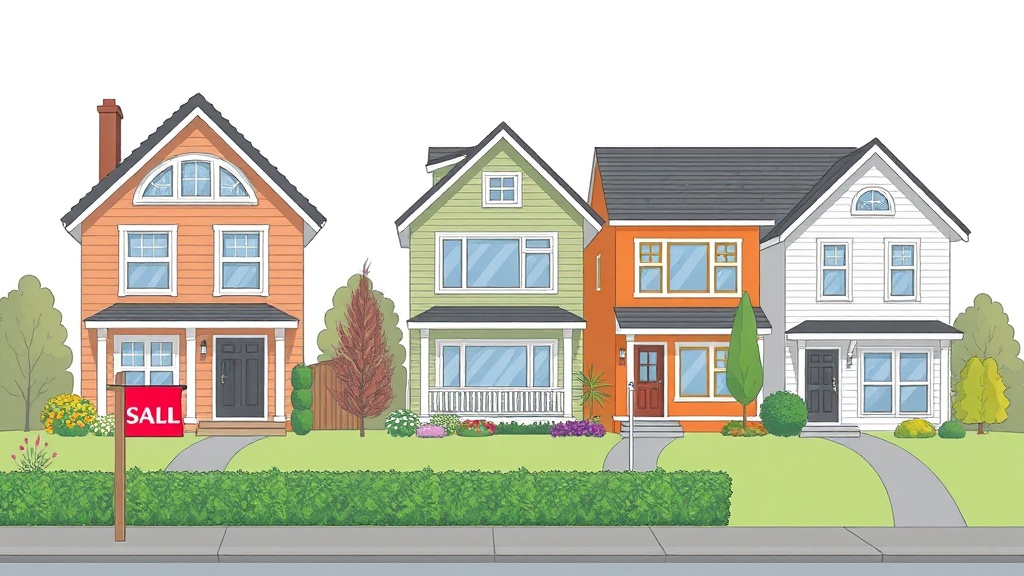
Approach every house for sale with research, realistic expectations, and a clear plan. Thoughtful preparation makes negotiations smoother and helps both buyers and sellers reach satisfying agreements.