
Buying land can be one of the smartest moves for building, farming, investing, or securing a legacy.
Unlike houses, vacant land offers flexibility and often lower purchase prices per acre, but it also brings unique risks and steps that matter more than the property itself. Use this guide to identify opportunity, avoid common pitfalls, and move confidently when you find land for sale.
Why buy land
– Development flexibility: Build a custom home, subdivide, or create a homestead without retrofitting existing structures.
– Lower maintenance: No roof, plumbing, or appliances to repair.
– Long-term appreciation: Land in growing regions or near infrastructure often gains value as demand increases.
– Diversification: Land can balance a real estate portfolio and hedge against inflation.
Types of land for sale
– Raw land: No utilities or improvements; highest uncertainty but lowest price.
– Improved lots: Utilities and access already available; faster to build.
– Agricultural acreage: Zoned for farming, may offer tax advantages.
– Timberland and recreational tracts: Income potential from timber, hunting, or leasing.
– Platted lots in subdivisions: Regulated developments with HOA rules and assessments.
How to evaluate a parcel
– Location and access: Confirm legal road access and check seasonal conditions.
A driveway easement might not be the same as public road frontage.
– Zoning and land use: Verify permitted uses, setbacks, and density limits at the local planning office.
Restrictions can make or break your plans.
– Topography and soils: Steep slopes, floodplains, and poor soils increase site prep costs. Consider a perc test and geotechnical review for septic and foundation needs.
– Utilities and infrastructure: Determine availability and cost to bring power, water, sewer, gas, and internet to the site.
– Environmental constraints: Wetlands, protected species habitat, or contaminated soils can dramatically affect usability. Ask for environmental studies if needed.
– Market comps: Look at recent sales of comparable parcels nearby to gauge fair market value.
Financing options and costs
– Cash purchase: Simplest route with negotiating power, no lender contingencies.
– Raw land loans: More stringent terms and larger down payments than home loans; rates and terms vary widely.
– Owner financing: Sellers may offer flexible terms, but due diligence and clear title conditions remain essential.
– Agricultural or USDA loans: May be available for working farms or specific rural development projects.
Due diligence checklist before closing
– Title search and commitment to identify liens, mineral rights issues, and easements.
– Boundary survey to confirm acreage and legal access.
– Permits and approvals needed for intended use.
– Utility extension estimates and connection timelines.
– Review of any covenants, conditions, and restrictions (CC&Rs).
– Verify property taxes and any special assessments.
Negotiation and closing tips
– Use contingencies to protect inspections, financing, and zoning approvals.
– Factor in soft costs (permits, surveys, site prep) when making offers.
– Consider phased purchases or seller-held notes for larger tracts.
– Close with title insurance to protect from undiscovered claims.
Buying land requires patience and rigorous checks, but the rewards—freedom to build, potential appreciation, and unique uses—can outweigh the extra steps.
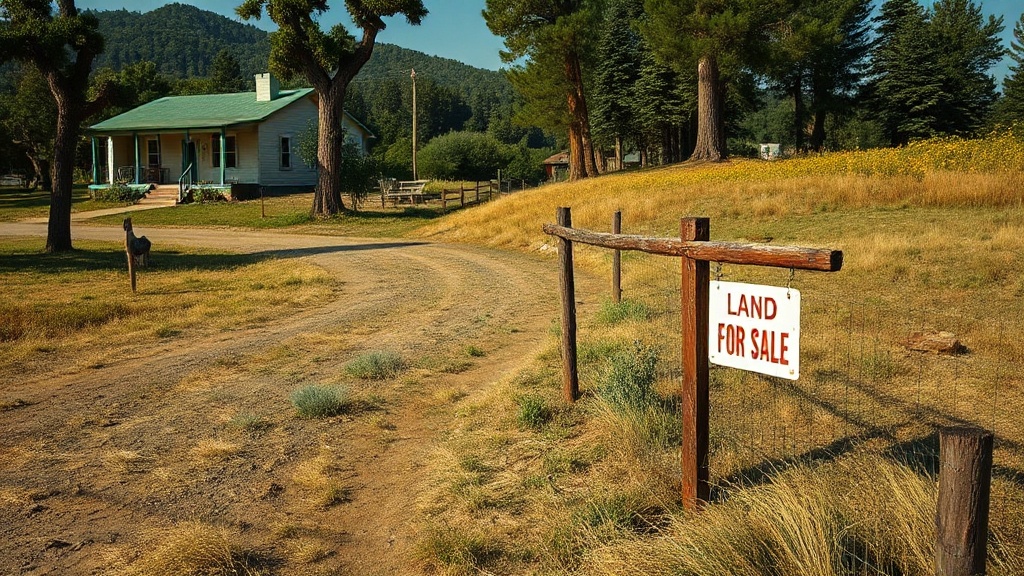
Start with a clear vision for the property, compile a local expert team (surveyor, land-use attorney, and reliable broker), and walk the parcel more than once under different conditions to confirm it truly fits your goals.