
Land for Sale: How to Evaluate Opportunities and Avoid Costly Mistakes
Buying land can unlock creative possibilities—building a custom home, farming, parking a tiny-home, or holding a parcel as a long-term investment. Yet vacant land requires different skills than buying a house. A methodical approach reduces risk and helps you spot the best deals.
Start with location fundamentals
Location still matters. Consider proximity to utilities, road access, local services, and employment centers.
Check flood zones and topography; low-lying parcels may be cheaper but carry drainage or insurance complications. Neighborhood growth patterns and planned infrastructure projects can dramatically affect future value.
Do thorough due diligence
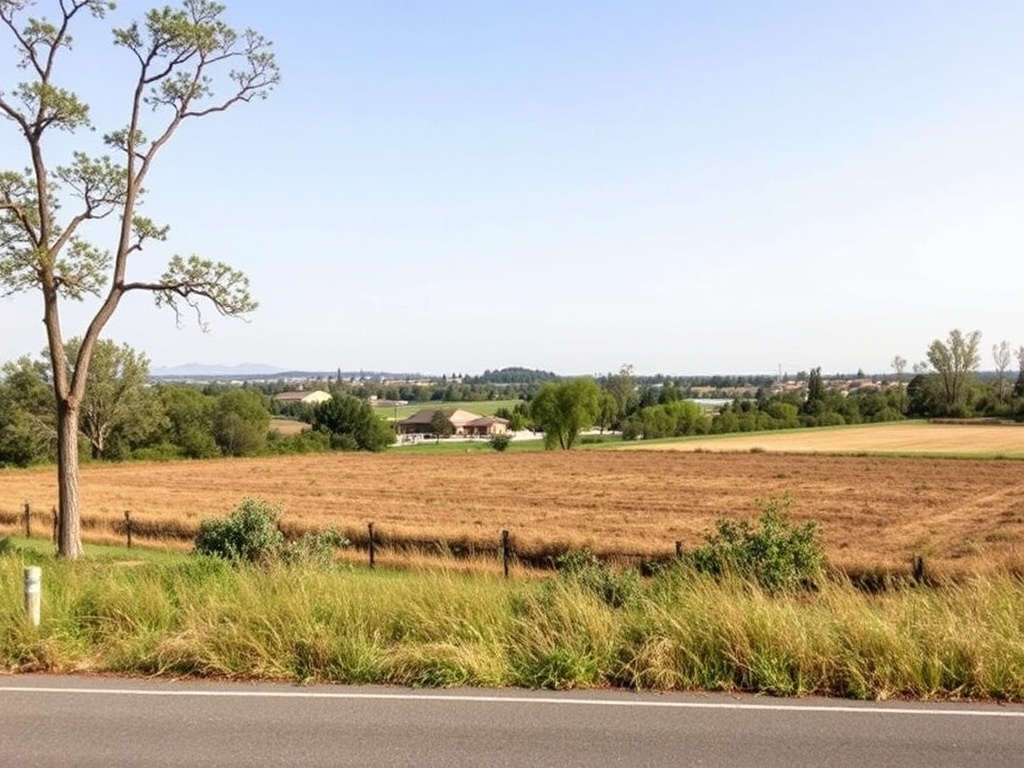
Before making an offer, verify:
– Title status: Confirm clear title, easements, liens, or covenants that limit use.
– Zoning and land-use rules: Determine permitted uses, setbacks, density limits, and whether variances or rezoning are realistic.
– Environmental constraints: Look for wetlands, protected species habitat, contamination history, or soil instability.
– Access rights: Ensure legal access via public roads or recorded easements—don’t assume a physical driveway equals legal access.
– Utility availability: Check water, sewer, electricity, gas, and broadband options; extending services can be expensive.
Get a survey and site assessment
A professional land survey is essential. It confirms boundaries, identifies encroachments, and clarifies easements. Pair that with soil testing if you plan to build—septic suitability, percolation tests, and bedrock depth influence construction feasibility and cost.
Understand financing and carrying costs
Financing vacant land differs from home mortgages. Lenders often require larger down payments and charge higher interest, or sellers may offer owner financing. Factor in carrying costs: property taxes, insurance, maintenance, and possible homeowners’ association fees. If the parcel won’t be developed immediately, calculate long-term holding costs against expected appreciation.
Analyze marketability and exit strategies
Even if you intend to hold forever, have an exit plan. Smaller, well-located lots often sell faster than large rural tracts.
Consider subdividing potential, access for multiple lots, or targeting specific buyer segments—recreational buyers, small farmers, or developers. Research comparable sales to gauge demand and realistic pricing.
Work with local professionals
Local expertise shortens the learning curve. A real estate agent who specializes in land, an experienced title company, and civil engineers or surveyors can uncover issues a generalist might miss. Municipal planning departments can provide insight about future zoning changes and infrastructure plans.
Watch common pitfalls
– Buying sight unseen: Photos can be misleading; prioritize in-person visits or drone footage.
– Ignoring easements: Utility or access easements can limit building locations.
– Assuming water rights: Surface water and groundwater rules are complex; verify rights and permits.
– Overpaying for potential: Don’t get carried away by “what could be” without confirmed approvals.
Negotiate with real conditions
Make offers contingent on inspections, surveys, and clear title. That protects earnest money and gives leverage to renegotiate if the due diligence reveals costly issues.
Vacant land offers flexibility and potential, but it rewards preparation. By focusing on access, utilities, legal clearances, realistic financing, and local market dynamics, buyers can turn raw parcels into productive, valuable assets. If uncertainty remains, prioritize expert advice before committing—land transactions are less reversible than they first appear.