
Finding the right house for sale can feel overwhelming, but a few practical steps will help you separate smart buys from costly mistakes.
Whether you’re a first-time buyer or looking to upgrade, focusing on location, condition, and financing ensures better decisions and less stress.
Start with the neighborhood
Location remains the single most important factor. Look beyond curb appeal to walkability, commute times, public transit access, school ratings, and future development plans. Visit at different times of day and on weekends to assess noise, traffic, and safety. Talk to neighbors if possible — they often offer candid insights you won’t find online.
Know what matters inside the house
When touring homes, prioritize structural and functional elements over cosmetic features. Key items to evaluate:
– Roof, foundation, and siding condition
– Signs of water intrusion: stains, soft floors, musty odors
– Electrical panel type and capacity; presence of modern outlets
– Plumbing material and water pressure
– Heating and cooling systems age and maintenance history
– Window condition and insulation
Minor cosmetic updates are easy to change; hidden structural or system problems are expensive. If you’re unsure, take notes and photos during visits so you can compare properties later.
Use comps and market context
Comparative market analysis (CMA) helps you determine fair value.
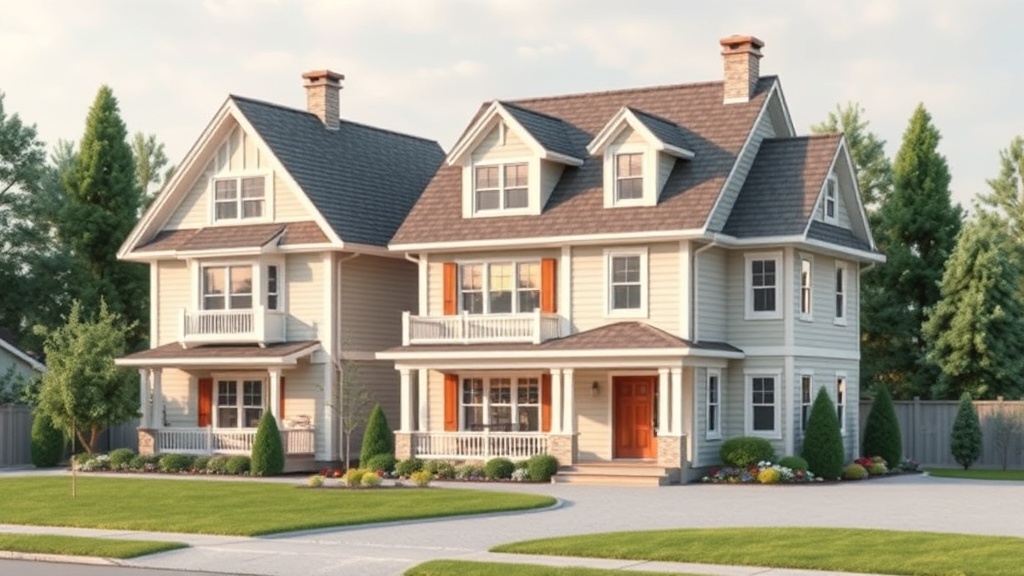
Compare recent sale prices of similar homes in the same neighborhood, adjusting for size, condition, and amenities.
Also note how long listings stay on the market and whether homes sell above or below asking price — this signals whether you’re in a buyer’s or seller’s market and informs offer strategy.
Get pre-approved, not just pre-qualified
A mortgage pre-approval strengthens your offer by showing sellers your financing is reliable.
Pre-approval outlines a loan amount you’re likely to receive based on credit, income, and assets.
It’s different from a casual pre-qualification and can make the difference when multiple buyers compete for the same property.
Don’t skip a professional inspection
A thorough home inspection before finalizing a purchase is essential. Inspectors identify safety issues and hidden defects that could affect the home’s value or require immediate repairs. Use the inspection report to negotiate repairs, credits, or price adjustments.
For older homes or those in specific areas, consider specialized checks: pest, sewer scope, chimney, or mold inspections.
Watch for deal-breaking red flags
Some issues should be deal-breakers unless you have the budget and appetite for major work:
– Significant foundation cracks or uneven floors
– Ongoing water intrusion or a history of flooding
– Hazardous materials like asbestos or lead that require abatement
– Outdated electrical systems that don’t meet current codes
– Extensive roof or structural damage
Factor in total cost of ownership
Beyond the mortgage payment, budget for property taxes, homeowner’s insurance, utilities, maintenance, and potential homeowner association fees. Set aside an emergency fund for unexpected repairs.
Make a competitive, thoughtful offer
Work with an agent who knows the local market to craft an offer that balances competitiveness with protection. Common protections include inspection contingencies, appraisal contingencies, and clear timelines for closing. Be prepared to move quickly if the home checks your boxes.
A smart home purchase combines careful research, realistic budgeting, and thorough inspections. Keep priorities clear, focus on long-term value, and you’ll be better positioned to find a house for sale that becomes a comfortable, sound investment.