
Buying or selling a house is both emotional and financial. Whether you’re listing a property or searching for the perfect home, understanding current buyer expectations and seller strategies increases the chance of a smooth, profitable transaction.
Here are practical, actionable tips to make houses for sale stand out and attract the right offers.
Optimize listings for online search and mobile viewers
Most buyers begin their search online. High-quality photos, a compelling headline, and a clear description that highlights unique features—open-concept living, updated kitchen, or energy-efficient upgrades—make a listing more clickable. Include accurate square footage, number of bedrooms and bathrooms, and neighborhood perks such as transit access or reputable schools. Ensure listings are mobile-friendly and load quickly; slow pages lose interest.
Leverage virtual tours and video walkthroughs
Virtual tours and short video walkthroughs let buyers experience flow and scale remotely.
These tools expand reach to out-of-area buyers and reduce low-quality showings. Offer both a guided video and a 3D walk-through so viewers can choose how they explore the space.
Stage to showcase lifestyle, not just furniture
Home staging helps buyers imagine life in the space.
Declutter, depersonalize, and use neutral tones to appeal to more prospective buyers.
Highlight key areas—kitchen, primary bedroom, and outdoor living spaces. Small touches like fresh linens, a bowl of fruit, or a well-placed plant can influence perception of value.
Boost curb appeal for better first impressions
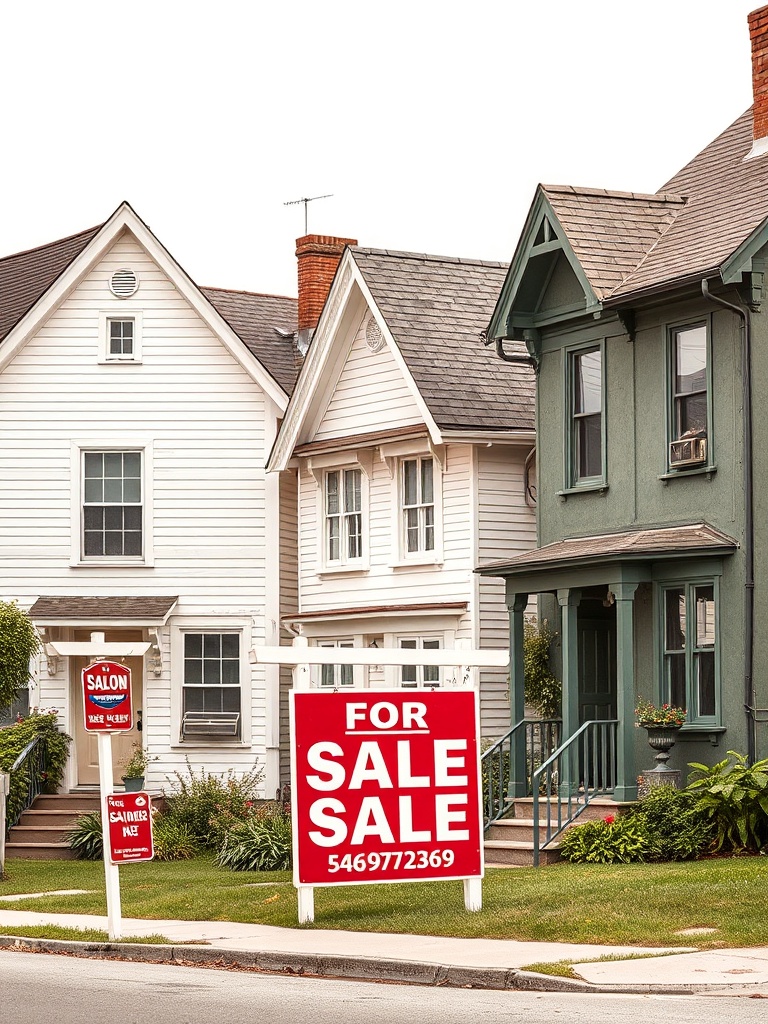
Exterior condition often determines whether a buyer schedules a showing. Clean landscaping, a welcoming front entry, and repaired siding or gutters make a big difference.
Simple upgrades—new house numbers, a fresh mailbox, or pressure-washing walkways—offer strong returns compared with larger remodels.
Prioritize meaningful upgrades over cosmetic fixes
Not all improvements offer equal returns. Focus on upgrades buyers prioritize: energy-efficient windows, a modern HVAC system, and a functional kitchen layout. Cosmetic updates like fresh paint and updated hardware are cost-effective ways to refresh a home without overspending. When choosing renovations, consider the neighborhood: match the home’s quality to comparable properties to avoid over-improving.
Price strategically using comparable sales
Setting the right price is a balancing act. Price too high and you’ll miss interest; price too low and you leave money on the table. Use a local comparative market analysis and consider seasonal demand. A competitive initial price can generate multiple offers and a faster sale.
Prepare for inspections and negotiations
Disclose known issues and preempt surprises with a pre-listing inspection. This helps prioritize repairs and sets realistic expectations. During negotiations, be prepared to discuss contingencies, timelines, and reasonable repair requests. Flexibility on closing dates or minor concessions can secure stronger offers without a steep price drop.
Work with local experts
A knowledgeable real estate agent, lender, and inspector familiar with the local market help navigate pricing trends, financing options, and legal requirements. Agents can provide marketing guidance, negotiate offers, and connect buyers with trusted service providers.
Final considerations
Selling or buying a house is a process where presentation, pricing, and responsiveness matter. By optimizing online presence, improving curb appeal, choosing cost-effective upgrades, and collaborating with local professionals, sellers can attract qualified buyers and achieve better results. Buyers benefit by focusing on value drivers, getting pre-approved, and evaluating homes with long-term needs and resale potential in mind.