
Energy-efficient home upgrades are one of the most reliable ways to increase property value while lowering monthly operating costs. Buyers increasingly prize low utility bills, indoor comfort, and resilience, so making targeted improvements can boost marketability and return on investment.
High-impact upgrades that improve resale value
– Insulation and air sealing: Tightening the building envelope reduces drafts and heating/cooling loads. Adding insulation in attics, exterior walls, and basements often yields one of the fastest paybacks and noticeably improves comfort—an easy selling point for appraisers and buyers.
– Efficient heating and cooling systems: Replacing an aging furnace or air conditioner with a high-efficiency heat pump or hybrid system lowers energy use and can extend HVAC lifespan. Heat pumps also support cooling, making them attractive in many climates.
– High-performance windows and doors: Modern double- or triple-pane windows with low-emissivity coatings reduce heat transfer and noise.
Focus on well-sealed installations rather than cosmetic replacements to maximize performance.
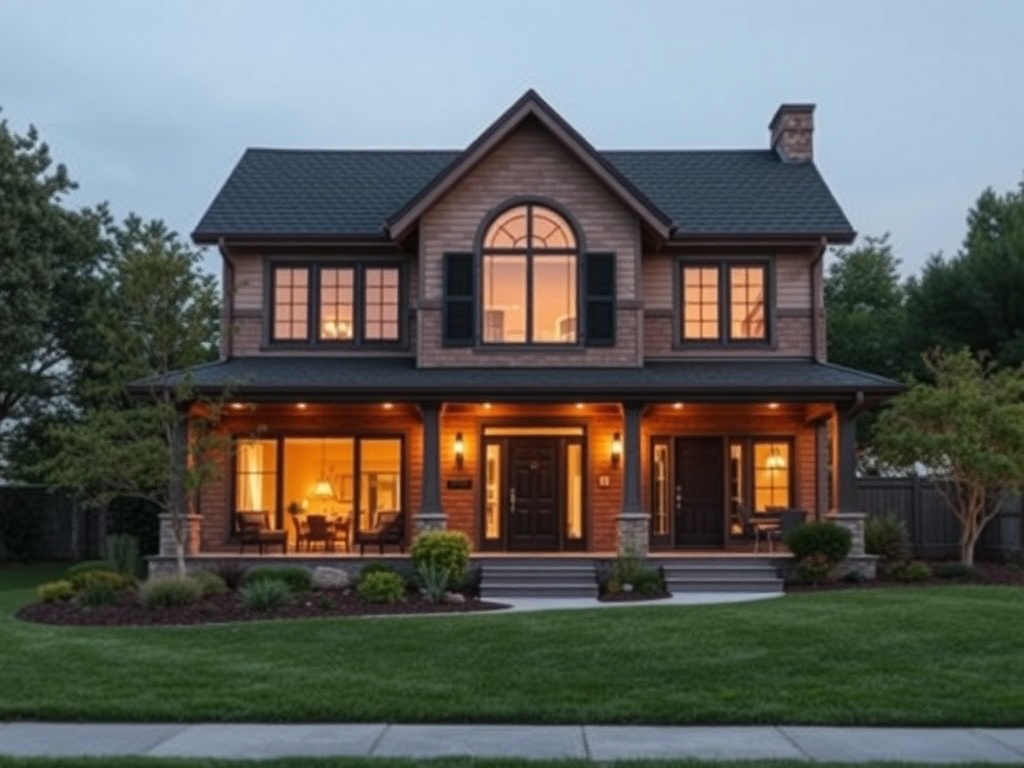
– Solar panels: Solar installations can increase curb appeal and reduce electric bills. When paired with a battery, they also improve resilience during outages—an increasingly valued feature in some markets.
– Smart controls and lighting: Smart thermostats, zoned controls, and LED lighting improve comfort and energy management at relatively low cost. They’re easy items to highlight in listings.
– Water efficiency and indoor air quality: Low-flow fixtures, efficient water heaters, and upgraded ventilation or filtration systems appeal to health- and conservation-minded buyers.
Prioritize improvements for best ROI
Start with the envelope (insulation, air sealing, windows) to ensure mechanical upgrades perform optimally.
An energy audit or blower-door test helps identify the biggest problems and the most cost-effective fixes. Combining projects—such as sealing ducts when replacing an HVAC unit—helps capture more efficiency and value.
Financing, incentives, and documentation
Many local and national incentive programs, rebates, and tax credits are available for energy improvements; availability varies by region.
Financing options include green loans, energy-efficient mortgages, or PACE-style programs in qualifying areas. Always document upgrades with receipts, manufacturer specs, and any permit records—this helps appraisers, lenders, and buyers understand the value added.
Certifications and marketing
Certifications such as ENERGY STAR, LEED, or a local green building label can validate performance claims and make listings stand out.
When marketing, highlight annual energy savings estimates, lower utility bills, and comfort benefits.
Include third-party verification when possible; buyers and agents respond better to quantified savings and certified work.
Practical tips for sellers and renovators
– Get an energy audit before starting major work to prioritize investments.
– Focus on upgrades that both reduce costs and improve comfort or resilience.
– Combine projects strategically to save on labor and disruption.
– Keep detailed records and warranties to transfer to the buyer.
– Talk to local contractors and utility programs to stack incentives.
Energy-efficient improvements can be a smart way to increase a home’s market appeal and value while reducing long-term costs. Thoughtful prioritization, good documentation, and taking advantage of available incentives will maximize returns and make the property more attractive to today’s energy-conscious buyers.
Related Posts
Transforming the Real Estate Industry: The Rising Trend of Green Homes and Sustainable Construction
Sustainability is a concept that has permeated nearly every industry.…
Top Smart Home Upgrades to Boost Property Value and Buyer Appeal
Smart Home Upgrades That Boost Property Value and Buyer AppealSmart…

Chris Rapczynski: Redefining Luxury Construction in Boston with People-First Leadership
In Boston's competitive construction market, where statistics show only 36.4%…