
Sustainable Home Upgrades That Boost Resale Value
Buyers increasingly prioritize energy efficiency, indoor air quality, and lower operating costs. Smart, sustainable upgrades can make your property more competitive and appealing while often delivering strong returns. Focus on improvements that reduce expenses, enhance comfort, and require minimal maintenance.
High-impact upgrades to consider
– Insulation and air sealing: Upgrading insulation and sealing drafts improves comfort and lowers heating and cooling bills.
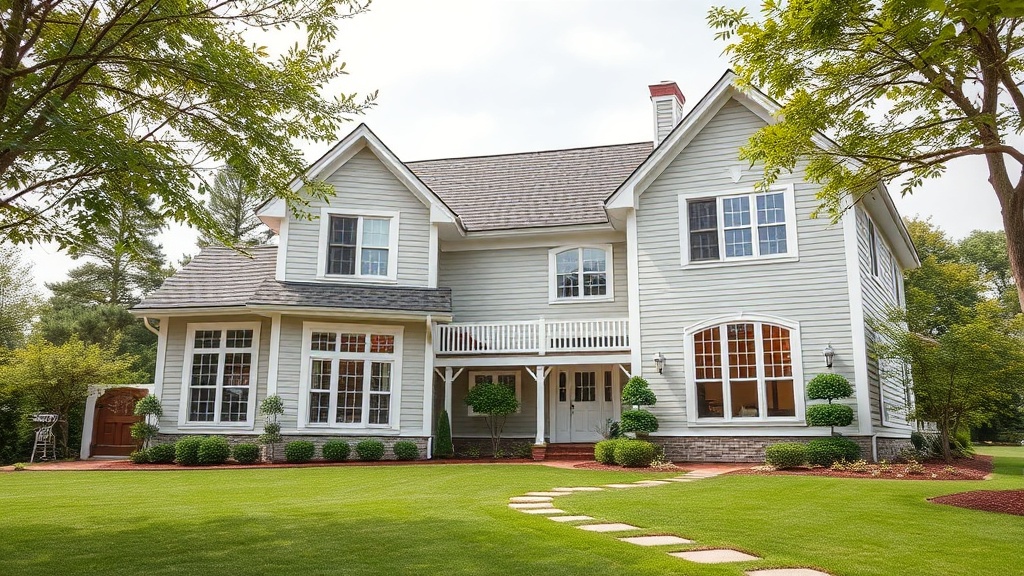
These changes are relatively low-cost compared with major remodels and make an immediate difference buyers notice during showings.
– Efficient HVAC and water systems: Replacing an old furnace, air conditioner, or water heater with high-efficiency models — including heat pumps where suitable — reduces utility costs and can be a major selling point. Installing a programmable thermostat or smart controls adds perceived value without large expense.
– Windows and doors: Replacing single-pane windows or poorly sealed doors increases comfort, improves curb appeal, and reduces energy loss. Look for durable frames and low-emissivity glass for a balance of performance and cost.
– Solar panels and battery storage: Photovoltaic systems remain attractive to buyers focused on lower electric bills and energy independence. Even partial solar systems or pre-paid panel agreements can set your listing apart. Be transparent about ownership, warranties, and expected production.
– Water-saving fixtures and landscaping: Low-flow faucets, high-efficiency toilets, drip irrigation, and drought-tolerant landscaping reduce utility costs and maintenance. Attractive, sustainable landscaping improves curb appeal and the perceived value of outdoor spaces.
– Low-VOC materials and improved ventilation: Using low-VOC paints, formaldehyde-free cabinetry, and upgraded ventilation systems enhances indoor air quality — a growing concern for many buyers, especially those with allergies or young children.
– Durable, sustainable finishes: Materials like engineered hardwood, recycled-content countertops, and porcelain tile offer longevity and easy maintenance. Buyers often prefer finishes that look good and stand up to wear without frequent replacement.
Prioritizing projects for best ROI
Start with improvements that address visible issues and ongoing costs.
Energy efficiency, comfort, and curb appeal usually rank highest when buyers compare properties.
Kitchens and bathrooms still drive strong returns, but integrating sustainable elements into these rooms (energy-efficient appliances, water-saving fixtures, durable surfaces) multiplies their appeal.
Certifications and documentation add value
Energy ratings, third-party certifications (such as ENERGY STAR), and home energy audit reports help buyers trust claims about efficiency and savings. Provide documentation for warranties, permits, and receipts to make the listing more credible and streamline inspections.
Marketing tips for sustainable listings
Emphasize monthly cost savings and comfort in property descriptions rather than just technical specifications. Use clear language: “lower utility bills,” “improved indoor air quality,” and “low-maintenance landscaping.” Include energy performance numbers when available, and highlight transferable warranties or incentives that future owners can claim.
Financing and incentives
Local rebate and incentive programs, utility discounts, and financing options can make upgrades more affordable and attractive to buyers. Encourage prospective buyers to research available incentives or speak with a lender about green financing options.
Final thought
Sustainable upgrades can do more than reduce environmental impact — they increase marketability, reduce operating costs, and often speed up sales. Prioritize improvements that combine visible appeal with measurable savings, document the work, and highlight those benefits in your marketing to capture more interested buyers and stronger offers.