
Land for sale can be one of the smartest long-term investments when approached with careful research and realistic expectations. Whether you’re hunting for a weekend getaway, a build-ready home site, agricultural acreage, or a speculative parcel for future development, understanding the key factors that affect value will help you buy wisely and avoid costly surprises.
Why buy raw land
– Lower competition and carrying costs compared with finished properties.
– Flexibility to design the use: build, farm, lease, or hold for appreciation.
– Potential tax advantages or income from timber, grazing, or mineral rights.
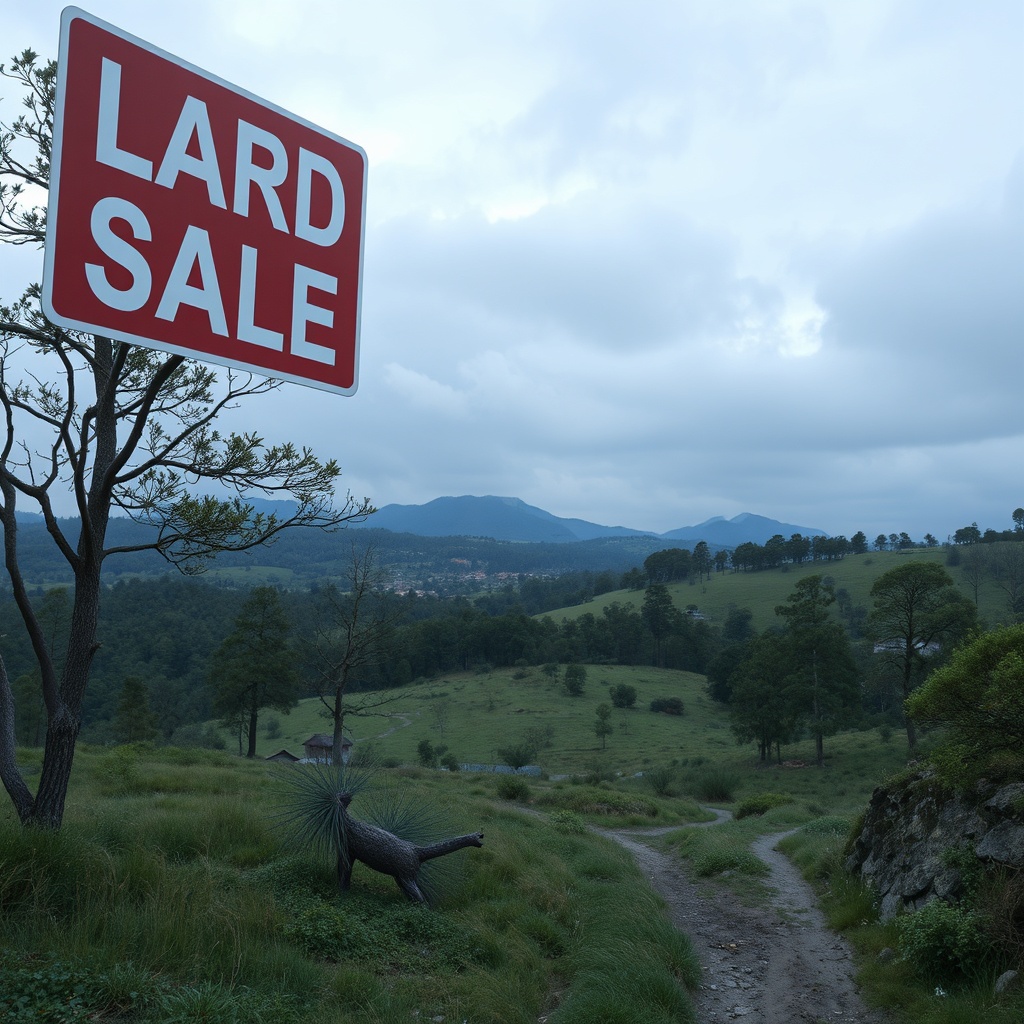
Types of land to consider
– Residential lots: typically zoned for single-family or multi-family homes; utilities may or may not be present.
– Agricultural and ranch land: useful for crops, livestock, or conservation; often larger parcels with different tax rules.
– Recreational land: valued for hunting, fishing, trails, or privacy; may lack utilities and year-round access.
– Commercial or development parcels: near infrastructure and demand centers, these require deeper zoning and market analysis.
Key due diligence steps
– Zoning and permitted uses: check county or municipal planning offices to confirm allowed uses, density limits, setbacks, and future land-use plans that could affect value.
– Access and easements: verify legal access via deeded road, public right-of-way, or recorded easement. Confirm who is responsible for road maintenance.
– Utilities and services: determine availability and costs for water, septic or sewer, electricity, gas, and broadband.
Ask about nearby transformer capacity and permit timelines for service extensions.
– Topography and soils: slope, floodplain designation, and soil bearing capacity affect build costs.
A soil test and floodplain map review are essential before purchase.
– Environmental restrictions: wetlands, conservation easements, endangered species habitat, and historic preservation overlays can limit development options. Contact local conservation agencies for records.
– Title and liens: a title search and title insurance protect against undisclosed easements, liens, or ownership disputes.
– Permits and approvals: investigate building permits, septic permits, and any special district rules such as septic setbacks, HOA covenants, or agricultural protection zones.
Financing land purchases
Financing raw land differs from home mortgages. Options include:
– Owner or seller financing: flexible terms but verify the deed and interest structure.
– Lot or land loans from banks or specialty lenders: expect higher down payments and interest rates; lender underwriting focuses on resale prospects and borrower capacity.
– Homeowner construction loans or a single-close mortgage can be viable if planning to build soon.
Negotiation tactics and valuation
– Compare recent sales of similar parcels; adjust for utilities, access, and permitted uses.
– Factor in development costs when making an offer—cleared prices often reflect future investment needs.
– Request contingencies for title, survey, and permitting to leave room for discovery and negotiation.
Closing checklist
– Obtain an updated survey and confirm boundary markers.
– Secure title insurance and review deed restrictions.
– Verify utility hook-up agreements and recorded easements.
– Confirm any required environmental or archaeological clearances.
Buying land is a different process than purchasing a home, but it rewards buyers who do careful homework.
Start with a clear plan for intended use, a practical budget for site improvements, and a team that includes a land-savvy real estate agent, surveyor, title company, and local planning contacts. With those pieces in place, a well-chosen parcel can deliver utility, income, or long-term appreciation.