
Shopping for houses for sale can feel overwhelming, but a clear evaluation process makes it manageable and helps you avoid costly mistakes. Whether you’re a first-time buyer or upgrading, use this practical checklist to compare properties, spot red flags, and prioritize what matters most to your lifestyle and long-term investment.
Start with finances and timelines
Before touring homes, get pre-approved for a mortgage so you know your price range and can make a competitive offer. Factor in down payment, closing costs, and a safety buffer for immediate repairs or upgrades. If your move is flexible, you’ll have more negotiating power; if you’re under time pressure, prioritize homes with fewer contingencies.
Location and neighborhood essentials
Location remains one of the most important determinants of value. Walk the neighborhood at different times to assess noise, traffic, and safety. Check proximity to work, schools, grocery stores, healthcare, and public transit. Even if a home is perfect, a poor commute or limited amenities can reduce its appeal and resale potential.
Curb appeal and exterior condition
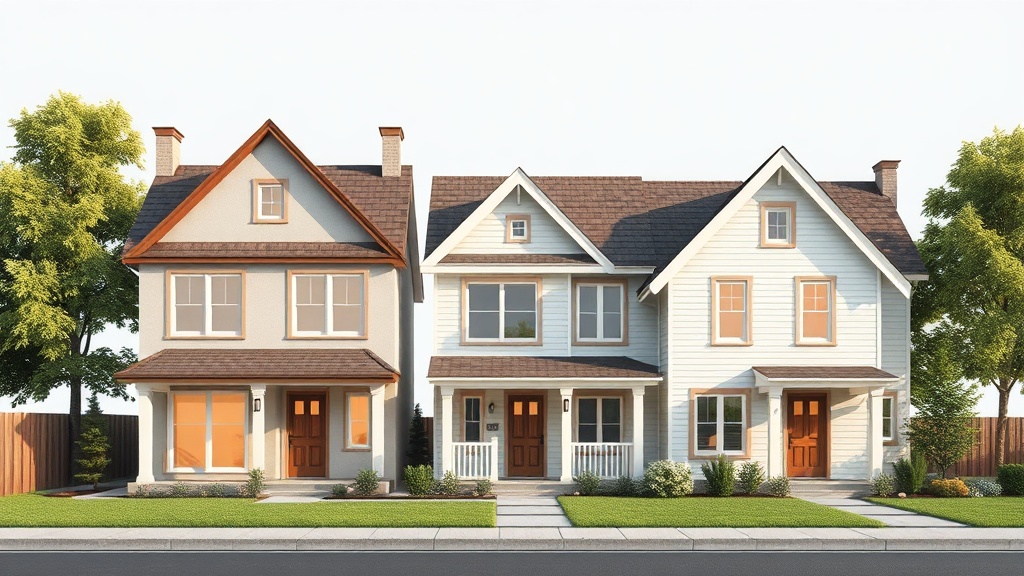
The first impression matters. Look for a well-maintained exterior, healthy landscaping, and a roof and gutters in good condition. Inspect driveways, sidewalks, and visible foundation areas for major cracks or settling. These elements can signal larger structural issues or entail expensive repairs.
Interior layout and functionality
Open-concept versus defined rooms, number of bedrooms and bathrooms, storage space, and flow should match your daily routines. Consider natural light, ceiling height, and room proportions. Think about future needs—accessibility, an aging-in-place plan, or space for remote work—so the home continues to work for you over time.
Mechanical systems and energy efficiency
Ask about the age and maintenance history of the HVAC, water heater, roof, electrical panel, and plumbing.
Energy-efficient windows, insulation, and heating systems reduce monthly costs and increase comfort. Request utility bills when possible to verify typical energy use.
Home inspection and hidden problems
Never skip a professional home inspection. Inspectors identify issues with structure, roofing, electrical, plumbing, pests, and moisture. Review the inspection report carefully and prioritize fixes that affect safety or major systems.
Use findings to negotiate repairs or adjust your offer.
HOA rules, taxes, and insurance
If the property is in a homeowners association, read the bylaws and fee schedule.
Restrictions on rentals, renovations, or landscaping can affect your plans. Research property taxes and obtain insurance quotes—high premiums or unfavorable tax histories may alter affordability.
Resale potential and marketability
Even if this is your forever home, resale matters. Look for features that appeal to broad buyer pools: functional kitchens, modern bathrooms, flexible living spaces, and good natural light. Homes near desirable schools and transit typically retain value.
Make a confident offer
When you find the right house, move decisively with a strong, well-documented offer that reflects market conditions and inspection results.
Include contingencies for inspection and financing, and set realistic closing timelines.
A thoughtful, methodical approach to evaluating houses for sale reduces risk and helps you find a home that fits both your budget and lifestyle. Keep a checklist on hand during showings, ask targeted questions, and lean on trusted professionals for inspections and financing advice to make a smart, informed purchase.