
How hybrid work is reshaping housing choices — and what buyers, sellers, and investors should do
Remote and hybrid work arrangements have changed how people think about home. Flexibility around where and when people work has shifted priorities from strictly commute-driven choices to lifestyle-driven decisions. That shift affects demand, neighborhood value, and what features buyers expect — and it creates opportunities for sellers and investors who adapt.
What buyers want now
– Dedicated home office: Buyers look for a quiet, private space with natural light and room for a proper desk setup. Even a convertible nook adds value when marketed as “office-ready.”
– Reliable connectivity: High-speed internet is non-negotiable. Properties with documented broadband options or pre-wired networks stand out.
– Flexibility of space: Rooms that can serve multiple functions — office/guest room, workout/studio — appeal to long-term adaptability.
– Outdoor access and amenities: Private yards, patios, or nearby green space have become more desirable for wellness and breaks during the workday.
– Walkability and local services: With fewer daily commutes, proximity to cafes, parks, and conveniences can be more important than distance to downtown.
How sellers can make a home more marketable
– Stage an office: Set up a realistic, uncluttered workspace for showings to help buyers visualize productivity potential.
– Highlight infrastructure: Mention internet providers, upload/download speeds, and any networking or home-office upgrades in listings.
– Emphasize functional layout: Use listing copy to point out flexible rooms and storage solutions that support home working life.
– Invest in lighting and sound: Simple improvements like upgraded lighting and basic soundproofing for offices can boost appeal.
– Create lifestyle photos: Use imagery of workspaces, backyard breaks, and neighborhood cafés to sell a lifestyle, not just square footage.
Opportunities for investors
– Convertible floorplans: Properties that can be easily adapted — adding a legal accessory dwelling unit (ADU) or subdividing spaces — attract renters who work remotely.
– Co-living and hybrid rental models: Short-term rentals combined with longer stays for remote workers are gaining traction in markets with strong tourism or seasonal demand.
– Tech-enabled buildings: Investing in properties with gigabit internet, smart security, and communal workspaces increases competitiveness among renters and tenants.
– Secondary markets: As some buyers prioritize affordability and space, suburbs and smaller cities are seeing renewed interest; look for markets with stable employment hubs and robust broadband.
Neighborhood-level shifts to watch
– Demand for mixed-use nodes: Areas that blend residential, retail, and leisure draw remote workers who want short commutes to amenities rather than central business districts.
– Transit remains relevant: Even with fewer daily commutes, access to reliable transit and major highways still supports long-term resale value.
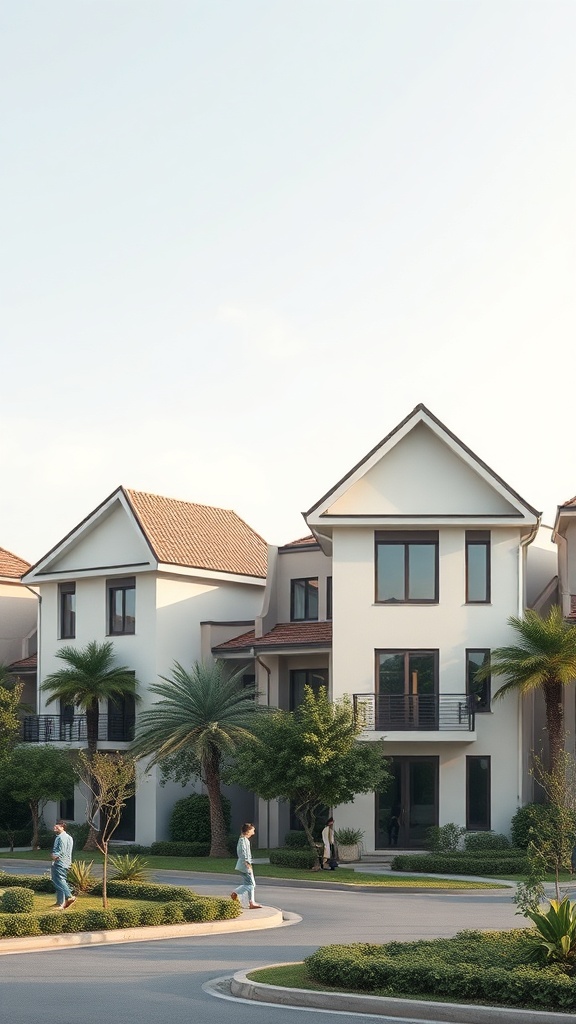
– Local schools and services: For those relocating with families, school quality and local healthcare remain influential in purchase decisions.
Practical next steps
– Buyers: Prioritize connectivity checks during tours.
Consider resale value if you plan to move again.
– Sellers: Update listings to highlight remote-work features and stage an office space.
– Investors: Analyze broadband infrastructure and flexible-use zoning in target markets.
As work arrangements continue to evolve, properties that offer adaptability, connectivity, and a lifestyle fit will outperform those stuck in old norms.
Tailoring strategy to these priorities helps buyers find suitable homes, sellers attract motivated buyers, and investors capture emerging demand.