
Smart Guide to Buying Land for Sale: What to Know Before You Buy
Land for sale can be one of the best long-term investments—whether you’re planning to build a dream home, start a small farm, hold for appreciation, or develop a subdivision. Buying raw land is different from buying a house; it requires specific research, patience, and a clear understanding of legal and physical constraints. Use this guide to evaluate opportunities and avoid costly mistakes.
Start with clear goals
Decide how you want to use the property. Residential building lots, recreational acreage, timberland, and farmland each have different requirements for access, utilities, and permits. Defining your purpose early helps narrow search criteria and determines the type of professionals you’ll need (surveyor, soil engineer, zoning attorney).
Location and access matter most
Even small differences in location can make a big difference in value and usability. Look for:
– Proximity to roads and emergency services
– Year-round access vs.
seasonal or easement-only access
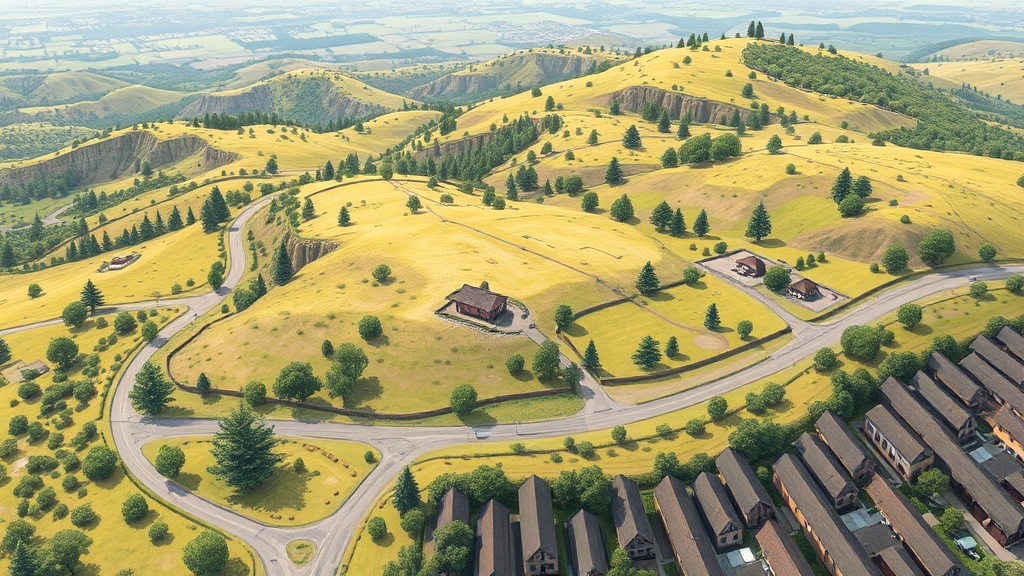
– Neighborhood development patterns and nearby land uses
Check for deeded access and verify whether roads are public, private, or maintained by an HOA.
Understand zoning, restrictions, and covenants
Zoning rules dictate what you can build and how you can use the land. Covenants, conditions, and restrictions (CC&Rs) can add more limits, especially in planned communities. Confirm setbacks, minimum lot sizes, allowable structures, short-term rental restrictions, and any required architectural review boards.
Utilities, water, and septic
Utilities are often the single biggest expense after land cost.
Ask whether electricity, water, sewer, gas, and broadband are available at the property line or require costly extensions.
For rural parcels, get a well feasibility and septic/percolation test.
If public water or sewer is not available, factor in drilling, tank systems, or alternative waste solutions.
Topography, soil, and environmental concerns
Topography affects buildable area and construction costs. Steep slopes, wetlands, floodplains, and protected habitats can limit development and require mitigation.
Hire a soil engineer or environmental consultant to check for issues like high water table, contamination, or endangered species habitat.
Title, easements, and mineral rights
A clear title is essential. Conduct a title search and obtain title insurance to protect against undisclosed liens or claims.
Identify existing easements (utility, access, pipeline) and understand how they affect usability. Clarify whether mineral rights are included; in many regions, surface rights can be separate from subsurface rights.
Financing and carrying costs
Land loans have different underwriting standards than home mortgages—expect higher down payments and shorter terms unless development financing is arranged. Explore seller financing or local bank options tailored to land purchases. Don’t forget carrying costs: property taxes, insurance, maintenance, and potential HOA fees.
Perform thorough due diligence
Before closing, order a boundary survey, environmental assessments if needed, well and septic tests, and a zoning verification letter from the local planning department.
Visit the property multiple times and at different times of day to assess noise, wildlife, and seasonal access.
Value and exit strategy
Compare recent sales of similar parcels to gauge fair price. Consider potential resale markets—recreational buyers, builders, and developers—and plan for holding costs if the property is an investment. Improvements such as fencing, access driveways, or clearing can increase appeal and value.
Next steps
Work with a real estate agent who specializes in land, and assemble a team of professionals early in the process. A disciplined due diligence process protects your investment and helps turn raw land into a productive asset or a forever home site. If you’re ready to explore listings, start with clear goals and a checklist of must-haves to make the buying process efficient and successful.