
Houses for sale: practical strategies to buy smart and sell faster
Whether you’re scrolling listings or preparing to put your home on the market, understanding how houses for sale move in the current landscape makes a big difference. Buyers want value and convenience; sellers want speed and top dollar.
Aligning preparation, pricing, and presentation is the fastest route to a successful transaction.
Where buyers start
Online listings are the first stop for most buyers.
Use accurate filters (beds, baths, square footage, lot size, commute time) and save searches with alert notifications so you’re notified the moment a matching property appears. Prioritize listings with high-quality photos, floor plans, and virtual tours—these elements often determine whether a buyer requests a showing.
Don’t skip neighborhood research.
Check school ratings, local amenities, walkability, and recent sales to understand long-term value. For financing, get pre-approved rather than just pre-qualified; a strong pre-approval letter strengthens offers and speeds the closing process.
How sellers prepare to list
Presentation matters more than ever. Curb appeal, decluttering, and neutral paint create an inviting first impression. Focus on small, high-impact projects:
– Clean and repair: fix leaky faucets, squeaky doors, broken tiles.
– Deep clean carpets and windows; hire professional cleaners if needed.
– Declutter and depersonalize: remove excess furniture and personal photos to help buyers visualize themselves in the space.
– Stage key rooms: living area, primary bedroom, and kitchen staging typically yields the best return.
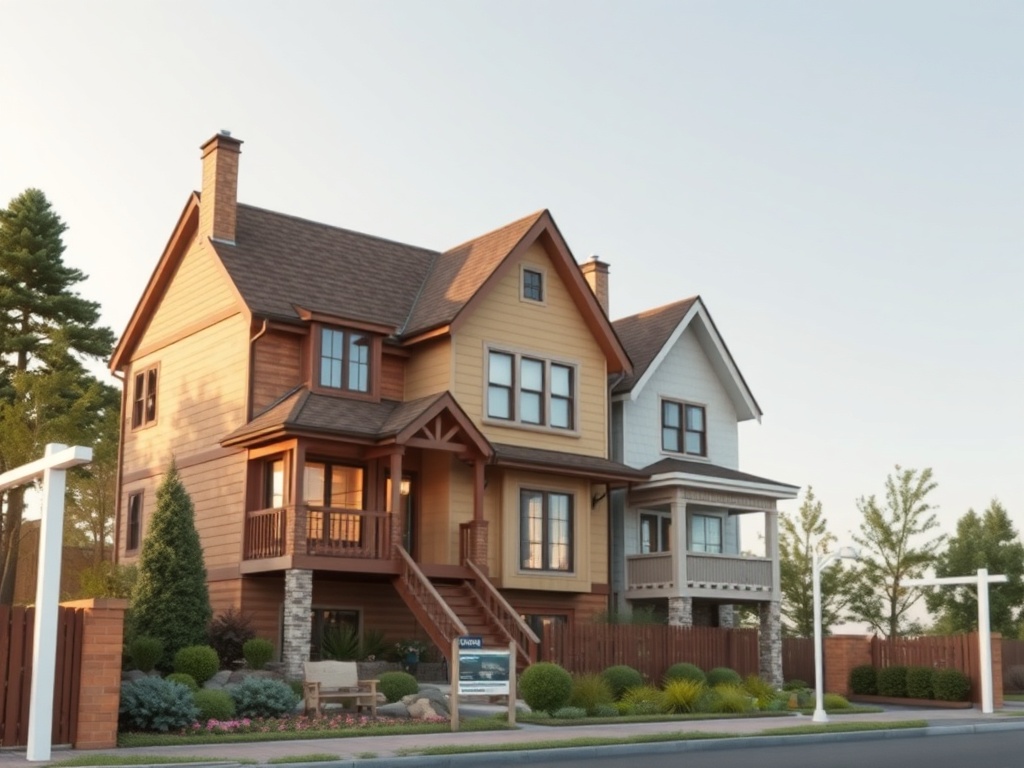
High-quality photography and a virtual tour are essential. Listings with professional images receive more views, which often translates to better offers. Consider a twilight shot for curb appeal and highlight unique features like outdoor living spaces or recent upgrades.
Pricing strategy and negotiation
Accurate pricing attracts serious buyers. Compare comparable sales (“comps”) in the neighborhood, adjust for condition and upgrades, and discuss pricing strategy with an agent.
Pricing slightly below market can generate multiple offers, while pricing too high may stall interest.
When offers arrive, evaluate more than price: contingencies, closing timelines, and financing strength matter. A clean offer with a strong pre-approval and minimal contingencies can beat a slightly higher but riskier bid.
Inspections, contingencies, and disclosures
Buyers commonly include inspection contingencies. Sellers can reduce surprises by completing a pre-listing inspection and addressing major issues beforehand. Full disclosures build trust and prevent delayed closings or post-sale disputes.
Be ready for appraisal realities. If an appraisal comes in low, options include renegotiation, paying the difference out of pocket, or obtaining a second appraisal where appropriate.
Open houses and showings
Open houses remain useful for exposure, especially for high-traffic neighborhoods.
For private showings, keep the home vacant when possible and provide a simple one-sheet highlighting key features and recent upgrades.
Flexible showing times broaden buyer access; evening and weekend availability often increases interest.
Closing the deal
Streamline closing by keeping documents organized, responding promptly to requests, and maintaining open communication with your agent and lender. For buyers, finalize homeowners insurance and prepare for moving logistics. For sellers, coordinate utility transfers and leave a clean, welcoming home for new owners.
Act with confidence
Whether buying or selling, preparation and strategy pay off. Use clear search criteria, invest in presentation, and work with experienced local professionals to navigate negotiations and closing smoothly.
Taking these practical steps helps you find the right house for sale and ensures the sale happens on favorable terms.