
How Energy-Efficient Upgrades Increase Home Value and Attract Buyers
Buyers are increasingly prioritizing long-term savings and comfort, and energy-efficient homes deliver both.
Whether you’re preparing to sell or planning upgrades to enjoy yourself, focusing on efficiency can boost resale appeal, lower operating costs, and make properties stand out in a crowded market.
Why energy efficiency matters to buyers
Energy-efficient features reduce monthly utility bills and often improve indoor comfort and air quality. Many buyers view these upgrades as a form of risk reduction—fewer immediate maintenance needs, more predictable costs, and modern systems that age more gracefully. Marketing clear, verifiable efficiency benefits can help properties move faster and often at a higher price point.
High-impact upgrades with solid ROI
– LED lighting and smart controls: Low upfront cost and quick payback. Smart lighting and occupancy sensors add convenience and reduce waste.
– Smart thermostat: Small investment that provides measurable savings and a strong selling point for tech-minded buyers.
– Sealing and insulation: Air sealing and adding insulation deliver some of the best bang-for-buck returns, improving comfort and lowering heating/cooling costs.
– High-efficiency HVAC and heat pumps: Replacing outdated systems with high-efficiency models or heat pumps can significantly reduce seasonal energy use and appeal to buyers who want modern climate control.
– Upgraded windows and doors: Energy-efficient windows reduce drafts and improve thermal performance; choose options that balance cost and long-term value.
– Solar panels and battery systems: Where sunlight and incentives align, solar installations lower electric bills and can be marketed as mortgage-friendly value. Include system performance documentation.
– Energy-efficient water heaters and appliances: Tankless or heat-pump water heaters and ENERGY STAR appliances reduce energy use and are attractive line items in listings.
– EV charger: A growing portion of buyers see home charging as essential; adding a Level 2 charger is a visible, low-friction upgrade.
Documented performance builds trust
Buyers respond to verified data. An energy audit, HERS rating, or other third-party certification gives credibility to claims about savings and efficiency. Provide current utility bills, audit summaries, and product documentation in your marketing materials so potential buyers can see expected costs and benefits.
How to prioritize projects
Start with the low-cost, high-impact items: LED lighting, air sealing, programmable thermostats, and appliance upgrades. Move to larger investments—HVAC, windows, solar—after understanding local market expectations and the potential return on investment.
Local climate and energy costs should guide what upgrades deliver the most value.
Marketing energy features effectively
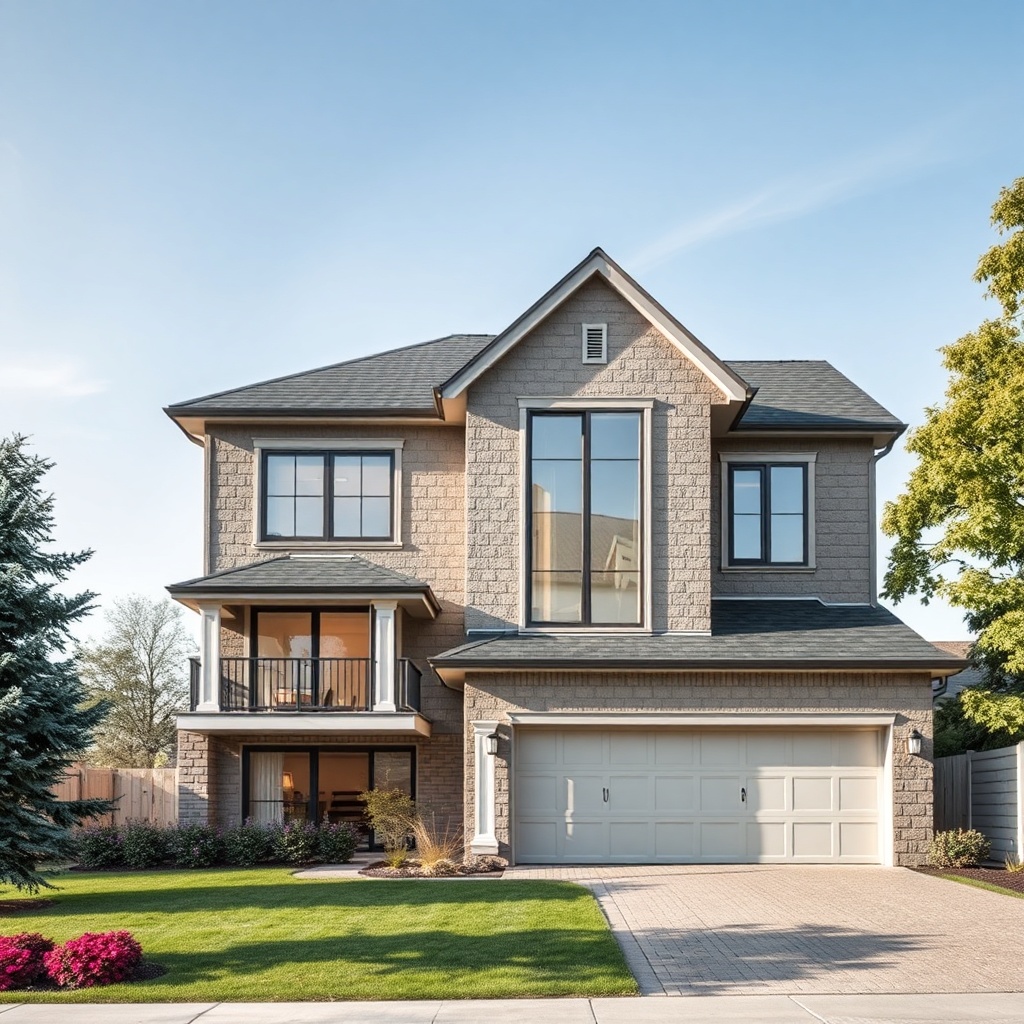
Highlight estimated savings in listings and show monthly utility comparisons. Use plain-language descriptions—“estimated $X savings per month”—backed by documentation. Include photos of installed equipment, labels like ENERGY STAR, and service records. Emphasize comfort and indoor air quality as well as cost savings to broaden appeal.
Financing and incentives
Many homeowners can access specialized financing for energy upgrades—such as green mortgages, on-bill repayment, or property-assessed clean energy programs—plus utility rebates and tax incentives. Mention available financing or incentive options to lower perceived barriers for buyers and sellers alike.
Next steps
Schedule an energy audit to identify the most effective improvements, prioritize projects with strong payback, and assemble documentation to showcase benefits. Thoughtful energy upgrades not only reduce bills and increase comfort, they strengthen marketability and help a home compete with modern expectations.