
How Hybrid Work Is Shaping Real Estate Demand — and What Buyers, Renters, and Investors Should Do
The shift toward hybrid and remote work is changing how people choose homes and what features matter most. Today’s buyers and renters prioritize flexibility, connectivity, and quality of life, and those preferences are reshaping neighborhoods, pricing dynamics, and new-construction trends. Understanding these shifts helps homeowners maximize resale value and investors spot opportunities.
What people want now
– Dedicated home office space: A quiet, well-lit room or a configurable area with privacy and sound control is a top requirement. Buyers increasingly prefer properties where an office can double as a guest room or nursery.
– Reliable high-speed internet: Fiber or robust cable service is a must-have. Properties with documented upload and download speeds stand out in listings.
– Flexible floor plans: Open layouts that can be easily reconfigured for work, workouts, and school allow homes to adapt over time.
– Outdoor space and access to green areas: Patios, balconies, community gardens, and nearby parks are highly valued for wellbeing and work breaks.
– Proximity to amenities rather than commute: Walkability to grocery stores, coffee shops, and fitness centers often beats being close to an office building.
– Energy efficiency and smart home features: Insulation, efficient HVAC, smart thermostats, and EV charging readiness can lower operating costs and appeal to eco-minded buyers.
Neighborhood winners and losers
Suburban and exurban communities that offer quality broadband, nearby amenities, and attractive housing stock are gaining demand.
Some urban cores remain desirable for people who want cultural access and short commutes on hybrid days, but they face stronger competition from suburbs that blend space with convenience.
Micro-communities near transit nodes or secondary downtowns are emerging as sweet spots for those balancing hybrid schedules.
How sellers and landlords should position properties
– Showcase workspace potential: Stage a plausible home office to help buyers visualize daily life.
Virtual staging can also be effective for remote buyers.
– Highlight connectivity: Include exact internet options and typical speeds in listings. Mention any business-class service or backup systems.
– Emphasize multi-use rooms: Use copy that stresses flexibility — “office-friendly loft,” “bonus room ideal for remote work,” or “flex space for gym or study.”
– Upgrade strategically: Small investments in lighting, soundproofing, and built-in shelving often produce strong returns. Energy-efficiency upgrades are also attractive.
– Offer virtual-friendly purchase options: Clear virtual tours, online document signing, and remote closing flexibility widen the buyer pool.
Opportunities for investors
– Conversion potential: Single-family homes that can be easily converted into multi-tenant setups or short-term rental units near leisure hubs remain attractive.
– Suburban rental demand: Markets with strong school systems and convenient services show consistent rental uptake among families and professionals.
– Co-living and flexible leases: Properties that support furnished stays and flexible lease terms cater to a growing segment of mobile workers and contract employees.
What buyers should prioritize
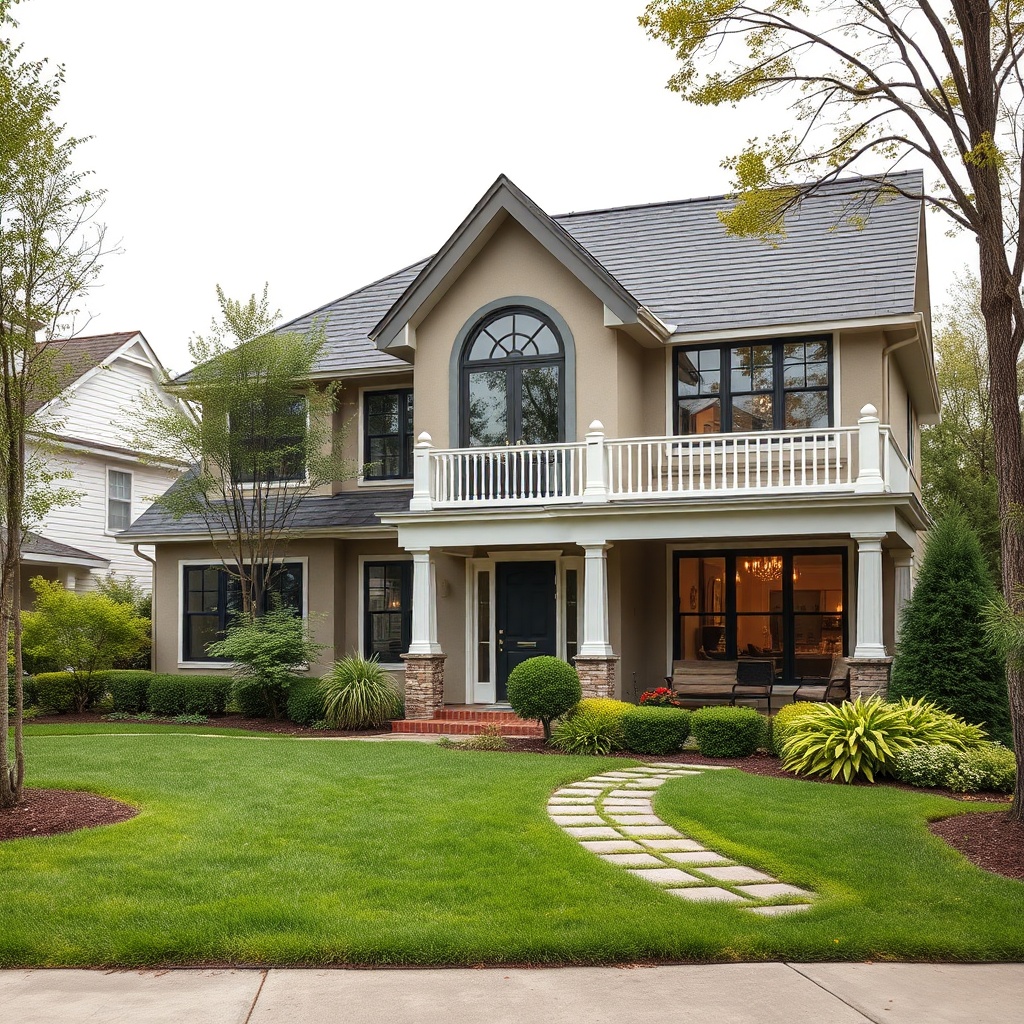
Focus on durable value rather than cosmetic trends. Look for solid bones: good layout, natural light, reliable infrastructure, and location fundamentals like schools and services. Confirm broadband options and consider future-proofing by ensuring space for EV charging and energy upgrades.
The real estate landscape is adapting to new work patterns, and the most resilient properties are those that combine flexibility, connectivity, and comfort. Whether buying, selling, or investing, making choices that support hybrid lifestyles will keep properties competitive and appealing over time.