
Whether you’re listing a home or searching for houses for sale, today’s market rewards preparation, clarity and smart presentation. Small investments and strategic choices can shorten time on market and improve final sale price, while savvy buyers who know what to prioritize can win the right property without overpaying.
Preparing a house for sale
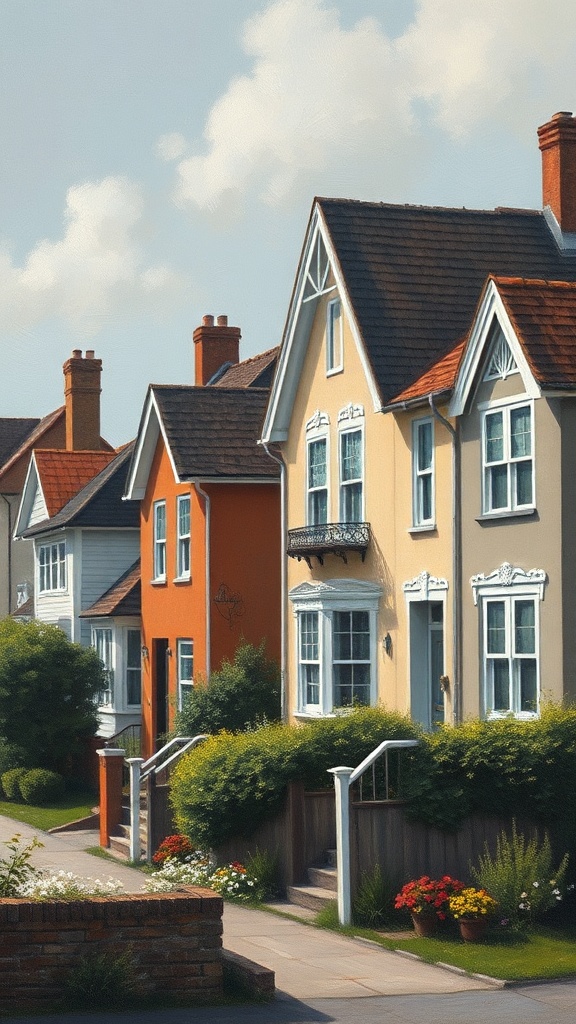
– First impressions matter: enhance curb appeal with fresh landscaping, clean siding, and a welcoming entry. Even low-cost updates—paint the front door, replace worn house numbers, add potted plants—make photos and showings more appealing.
– Declutter and depersonalize so buyers can envision themselves in the space.
Pack excess items, streamline furniture to highlight flow, and remove personal photos.
– Focus on lighting and cleanliness. Bright, well-lit rooms photograph better and feel larger. Replace dim bulbs, clean windows, and schedule a deep clean before listing.
– Complete key repairs and safety fixes. Address visible issues that show up on inspection reports to avoid last-minute renegotiations. Consider a pre-listing inspection to identify problem areas early.
– Showcase value-add features.
Highlight energy-efficient upgrades, smart-home components, recent roof or HVAC work, and useful storage. Create a feature sheet for your listing and mention local amenities that buyers care about.
Marketing that works
– Professional photos and floor plans are essential. High-quality visuals are the first impression for many buyers and directly influence click-through rates on listings.
– Offer virtual tours and clear, consistent online listings. Buyers often start searches online—interactive walkthroughs and concise, benefit-focused descriptions boost inquiries.
– Targeted promotion matters. Use social media, neighborhood groups, and local listing portals in addition to your agent’s network to reach motivated buyers.
– Be flexible with showings and open houses.
More availability increases the chances of a competitive bidding scenario.
Smart strategies for buyers
– Get pre-approved before you look. Sellers take offers from pre-approved buyers more seriously, and a clear budget prevents disappointment later in the process.
– Prioritize must-haves versus nice-to-haves. Decide which features are non-negotiable—location, number of bedrooms, school district—and which upgrades you can add after purchase.
– Research total cost of ownership.
Factor property taxes, insurance, utilities, HOA fees, and likely maintenance when comparing houses for sale.
– Don’t skip inspections. A thorough inspection uncovers issues that affect safety and value; use findings to request repairs, credits, or price adjustments.
– Be ready to move quickly but avoid emotional overbidding. In competitive situations, consider escalation clauses, earnest money, or flexible closing dates to strengthen your offer without exceeding your comfort level.
Negotiation and closing tips
– Understand common seller concessions and when to ask for them—closing cost contributions, seller-paid repairs, or home warranties can bridge gaps in negotiations.
– Know the appraisal and financing risks. If an appraisal comes in low, have a plan (renegotiate, bring extra cash, or dispute the appraisal with supporting comps).
– Keep communication open and documented. Clear timelines, written agreements, and timely responses reduce friction and increase the chance of a smooth closing.
Whether buying or selling, local knowledge and preparation reduce surprises and maximize outcomes. Work with trusted local professionals—agents, inspectors, lenders—who know neighborhood trends and can guide decisions based on practical experience.
If you’re ready to take the next step, start with a solid budget, a prioritized checklist, and a plan for presenting or evaluating the home effectively.