
Maximize Sale Value: Practical Steps When Listing Your House for Sale
Selling a house can feel overwhelming, but a focused plan turns the listing into a competitive asset. Whether you’re aiming for a quick sale or top-dollar offers, prioritizing curb appeal, smart improvements, and presentation delivers measurable results without unnecessary expense.
Curb appeal and first impressions
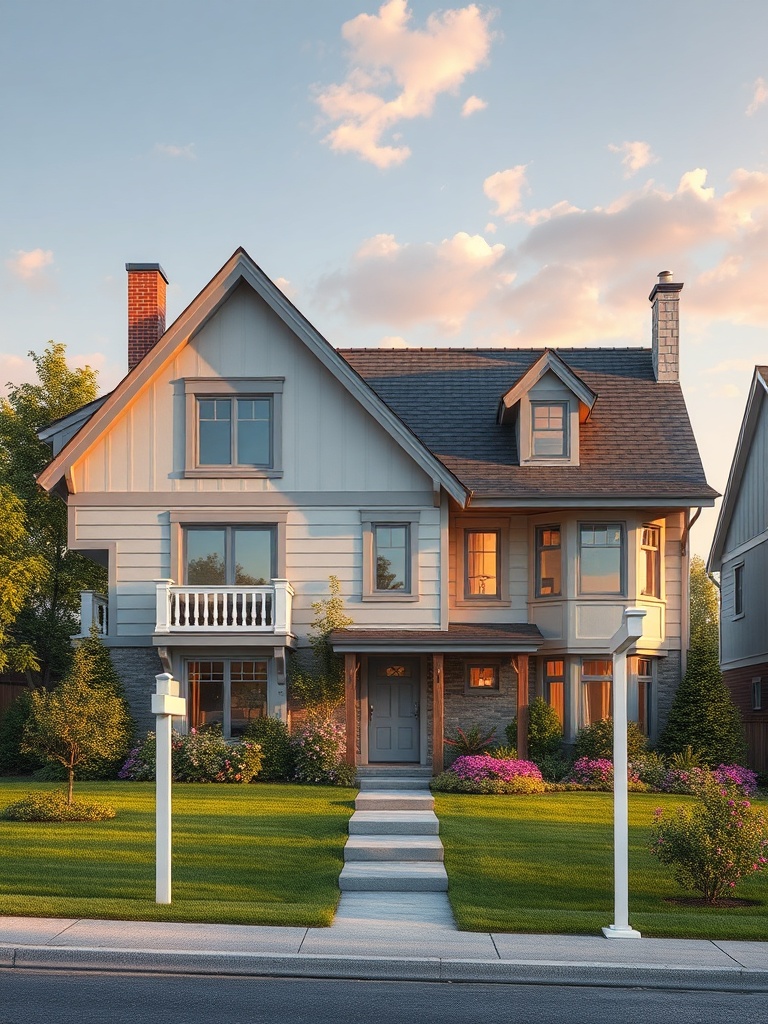
Buyers form opinions within seconds, so start at the curb. A well-kept exterior signals care and helps justify a stronger asking price.
– Tidy landscaping: mow, edge, remove dead plants, and add fresh mulch or simple potted plants.
– Clean and repair: power-wash siding, clean gutters, touch up paint on doors and trim, replace cracked walkways or loose sidings.
– Welcome accents: update house numbers, add a modern mailbox, and stage a tidy entry with a seasonal doormat and balanced lighting.
Smart, cost-effective upgrades
Not every improvement needs a major budget. Focus on projects that appeal to most buyers and boost perceived value.
– Paint: neutral, fresh paint throughout creates a blank slate for buyers to imagine themselves living there.
– Kitchen and bathroom refreshes: refinish cabinet faces, swap hardware, install new faucets, and replace dated light fixtures.
– Energy efficiency: add LED lighting, upgrade to a smart thermostat, and seal drafts. These updates are attractive selling points and reduce objections about future maintenance.
– Flooring: deep-clean carpets or install durable, neutral flooring in high-traffic areas for a modern look.
Presentation and professional media
High-quality listing photos and virtual tours are now essential.
Many buyers start with online searches, so the first impression is digital.
– Hire a professional photographer who specializes in real estate.
– Use wide-angle photos, bright natural light, and tidy spaces. Capture both key rooms and unique selling points.
– Offer a 3D tour or video walkthrough to reach long-distance buyers or those who prefer remote viewing.
Strategic staging and decluttering
Staging helps buyers visualize. A mix of professional staging or strategic DIY choices can lift offers.
– Declutter: remove personal items, excess furniture, and visible storage overflow.
– Arrange furniture to highlight flow and function; create inviting focal points like a cozy reading nook or dining area.
– Neutral accessories and plants add life without distracting from structural features.
Pricing strategy and agent selection
Price placement determines how quickly and competitively your house will sell.
– Research comparable listings and recent sales in your neighborhood.
– Consider a slightly aggressive price to generate early interest, but avoid undercutting value.
– Interview multiple agents; choose one with a strong track record for your area and a clear marketing plan.
Open houses, showings, and disclosures
Be flexible with showings and proactive with disclosures to build trust.
– Keep the house clean and available for showings during peak hours.
– Provide a concise disclosure packet and any recent inspection or repair documentation to reduce buyer friction.
Negotiation and timing
Understand buyer motivations to negotiate effectively.
Be prepared to compromise on small items while holding firm on nonnegotiables like the asking price or closing timeline.
Quick responsiveness and transparent communication keep offers moving forward.
Getting started
Begin with a realistic walk-through and a prioritized checklist: curb appeal, essential repairs, photo-ready staging, and an informed pricing strategy. Small investments and disciplined presentation often mean bigger returns at closing—making your house stand out among others for sale.