
Getting a house noticed and sold quickly starts long before the listing goes live.
Sellers who invest effort into presentation, pricing, and marketing typically attract stronger offers and smoother closings. These practical steps focus on what buyers are looking for today and how to make your property stand out among houses for sale.
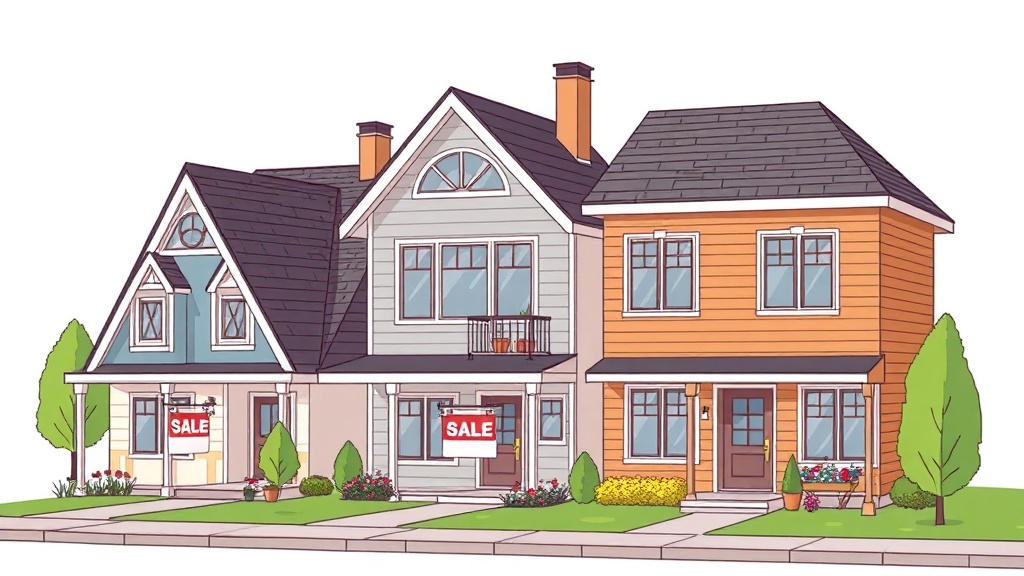
First impressions matter: curb appeal and entryway
Buyers form an opinion within seconds of seeing a home from the street.
Boost curb appeal with simple, cost-effective updates:
– Freshen paint on the front door and trim, or replace hardware like the door handle and house numbers.
– Keep landscaping tidy: mow, edge, prune shrubs, and add seasonal potted plants.
– Repair or power-wash walkways, steps, and siding to create a well-maintained look.
– Ensure exterior lighting is functional and welcoming for evening showings.
Declutter, depersonalize and deep clean
A clutter-free space feels larger and allows buyers to imagine their own lives in the home.
Pack away personal photos, excess furniture, and magnets on the fridge.
Hire pros for a thorough deep clean—clean carpets, windows, and grout can make an outsized difference.
Address repairs and low-cost upgrades
Buyers expect a move-in-ready experience. Prioritize visible and safety-related fixes: leaky faucets, damaged flooring, loose railings, and broken windows.
Consider low-cost upgrades with strong returns:
– Update outdated light fixtures and switchplates.
– Re-caulk kitchen and bathroom edges.
– Refinish or paint cabinets for a modern look without full replacement.
Stage for flow and lifestyle
Staging helps highlight a property’s best assets and clarify room function. Aim for a neutral palette and conversational furniture arrangements that showcase natural traffic flow. Use statement throw pillows and tasteful art to add warmth, but avoid overly trendy choices that might alienate some buyers.
Lighting and photography that sell
Maximize natural light by pulling back curtains and trimming trees that block windows.
Replace dim bulbs with bright, warm LED lighting. Once staged, invest in professional photography and consider virtual tours or 3D walkthroughs—online visuals are often a buyer’s first interaction with houses for sale, and quality images dramatically increase interest.
Price competitively and set the right strategy
Accurate pricing attracts attention and avoids long days on market. Work with an agent to analyze comparable sales, market days on market trends, and the neighborhood’s buyer demand. In many markets, a well-priced home can create multiple-offer situations; overpriced listings often linger and see price reductions.
Consider pre-inspections and transparency
A pre-listing inspection can identify issues early and give sellers time to make repairs or provide clear disclosure. Transparency builds trust and reduces post-offer surprises that can derail a sale.
Show flexibility, safety, and convenience
Make showings easy by offering flexible viewing times and ensuring the home is always show-ready.
During showings, prioritize homeowner safety by securing valuables and providing clear directions for guests.
Virtual showing options remain valuable for out-of-town buyers or first-look tours.
Market digitally and locally
List on major platforms, optimize your listing copy with accurate descriptions and local keywords (neighborhood features, schools, transit), and leverage social media to reach targeted buyer segments. Combining broad exposure with targeted local outreach—open houses, neighborhood flyers, and agent networks—covers all bases.
A focused plan that improves first impressions, addresses common buyer concerns, and leverages strong visuals and pricing sets the stage for a successful sale. Consult a local real estate professional to fine-tune strategies for your neighborhood and property type.