
Energy-efficient home upgrades deliver a double benefit: lower utility bills and stronger appeal to buyers. As utility costs and environmental awareness remain central to many purchasing decisions, strategic improvements can increase both comfort and resale value without requiring a full remodel.
Start with an energy audit
A professional energy audit identifies where a home loses heat, gains unwanted energy, or wastes power.
Audits highlight opportunities with the best return on investment, such as air leaks, poor insulation, or inefficient heating and cooling systems.
Many utilities and local programs offer discounted or free audits—check available rebates before committing.
High-impact upgrades with strong appeal
– Insulation and air sealing: Sealing gaps around windows, doors, and penetrations and upgrading attic and wall insulation reduces heating and cooling loss. These measures improve comfort immediately and show well on inspection reports and energy disclosures.
– Efficient HVAC systems: Replacing an aging furnace or air conditioner with a high-efficiency unit yields noticeable savings and often increases home value. Paired with regular maintenance and a smart thermostat, HVAC upgrades are attractive to buyers focused on long-term costs.
– High-performance windows and doors: Modern windows with low-emissivity coatings and insulated frames reduce drafts and solar heat gain. While full window replacement is a bigger expense, targeted upgrades in key rooms can enhance comfort and curb appeal.
– Water heating improvements: Switching to a high-efficiency water heater, or considering on-demand tankless systems in the right layout, cuts energy use and frees up space. Plumbing updates tied to water conservation also appeal to eco-conscious buyers.
– Smart controls and lighting: Programmable thermostats, zoned heating, smart lighting, and occupancy sensors reduce waste and add convenience.
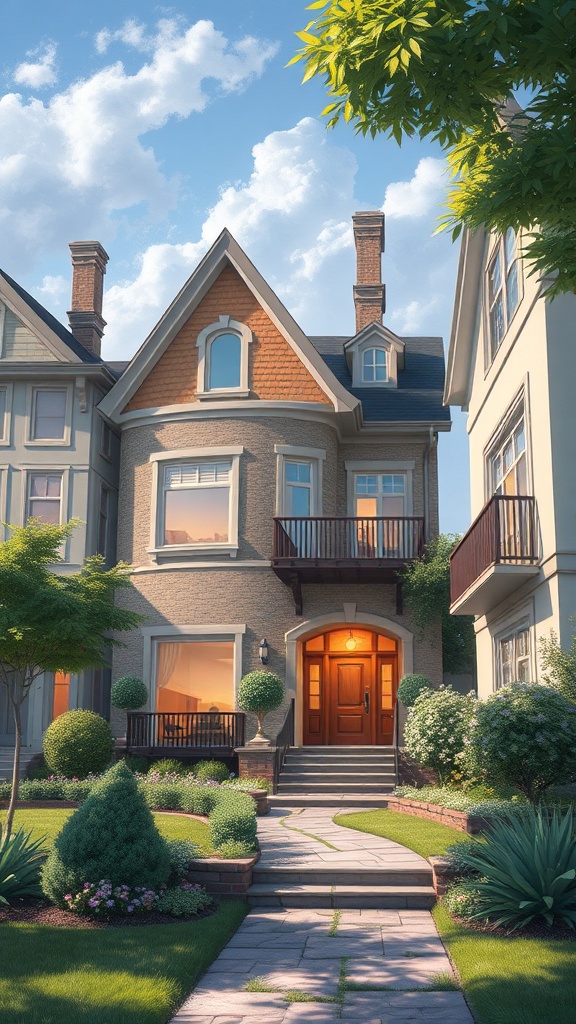
LED lighting upgrades are inexpensive, immediate, and improve perceived quality.
Renewable energy and long-term investments
Solar panels are a headline-grabbing upgrade that reduces electric bills and can increase a property’s desirability, especially when paired with modern inverters and battery storage options where supported. The upfront cost is higher, and value depends on local electricity prices and incentives, but many homeowners find the payback compelling. When considering renewables, review local permitting, net metering policies, and available rebates.
Certification and documentation matter
Energy-efficient features are easier to market when documented.
Energy performance ratings, certifications like ENERGY STAR for appliances, and home energy scores make efficiency tangible to prospective buyers. Keep records of upgrades, receipts, warranties, and any inspection or audit reports—these documents build buyer confidence and can speed the selling process.
Balance upfront cost and return
Not every upgrade yields the same financial return in every market. Focus on improvements that reduce operating costs, increase comfort, or address visible issues that buyers will notice. Smaller projects—LED lighting, programmable thermostats, enhanced weather-stripping—often deliver quick wins. Larger investments, like full HVAC replacement or solar, should be weighed against local market expectations and available incentives.
Marketing energy efficiency
When listing a home, highlight certified efficiencies, estimated energy savings, and any transferable warranties. Use clear, consumer-friendly language: buyers respond to specifics like “lower monthly utility bills” and “improved indoor comfort.” Energy-efficient homes often attract buyers more quickly and can justify a premium in competitive markets.
A strategic approach—starting with an audit, prioritizing high-impact measures, documenting results, and leveraging available incentives—turns efficiency investments into measurable value for homeowners and buyers alike.