
How to Evaluate Land for Sale: A Practical Buyer’s Checklist
Buying land offers freedom to build, farm, or invest—but vacant acreage requires different homework than a finished home.
Whether you’re hunting rural acreage, a suburban lot, or recreational timberland, a methodical approach reduces surprises and protects your budget.
Location and access
– Check access roads and who maintains them. Public paved roads are ideal, but private roads may require shared maintenance agreements.
– Consider proximity to utilities, schools, healthcare, and markets.
Even remote parcels can be attractive if utility costs and travel time are acceptable.
– Research future development plans in the area via the county planning department; nearby growth can raise land value but also change privacy and views.
Zoning, land use, and restrictions
– Verify zoning and allowable uses (residential, agricultural, commercial, mixed use). Zoning affects what you can build and any required setbacks.
– Ask about deed restrictions, covenants, HOA rules, and conservation easements that could limit use.
– Confirm minimum lot sizes, septic setback requirements, and building height limits before making assumptions.
Utilities and site feasibility
– Determine availability of water, sewer, electricity, gas, and broadband. Extending utilities can be expensive; get rough cost estimates early.
– For off-grid plans, check well drilling records and local solar/wind potential. Verify septic system feasibility with a percolation test or septic designer.
– If utilities are on adjacent property, clarify easements and access rights.
Topography, soils, and natural hazards
– Evaluate slope, drainage, rock content, and soil stability—these affect buildable area and construction costs.
– Check flood maps, wildfire risk zones, wetlands, and endangered species habitat. Environmental constraints can restrict development or require mitigation.
– Consider a soils report or site evaluation for foundation and septic planning.
Surveys, boundaries, and easements
– Obtain a recent survey to confirm boundaries and identify encroachments, rights-of-way, and recorded easements.
– Understand any mineral, water, or timber rights retained by prior owners.
– Foundation or driveway placement depends on setbacks and utility easements—don’t assume the property usable acreage equals its total acreage.
Title, insurance, and closing costs
– Order a title search and get title insurance to protect against hidden claims, liens, or boundary disputes.
– Review any outstanding taxes, assessments, or special district fees tied to the land.
– Budget for closing costs, recording fees, impact fees, and potential road or utility connection charges.
Financing and investment considerations
– Land loans typically require larger down payments and shorter terms than home mortgages; seller financing or land contracts are alternate routes.
– Compare price per acre but also evaluate usable acreage and development costs to determine true value.
– Define an exit strategy—hold for appreciation, develop, lease for agriculture, or resale—and model carrying costs such as property taxes and maintenance.
Due diligence checklist before offer
– Site visit at different times of day and week
– Verify utilities and permits with local authorities
– Order survey and title search
– Soil/septic feasibility and environmental checks if needed
– Get construction access and cost estimates
Buying land can be highly rewarding when approached with clear due diligence.
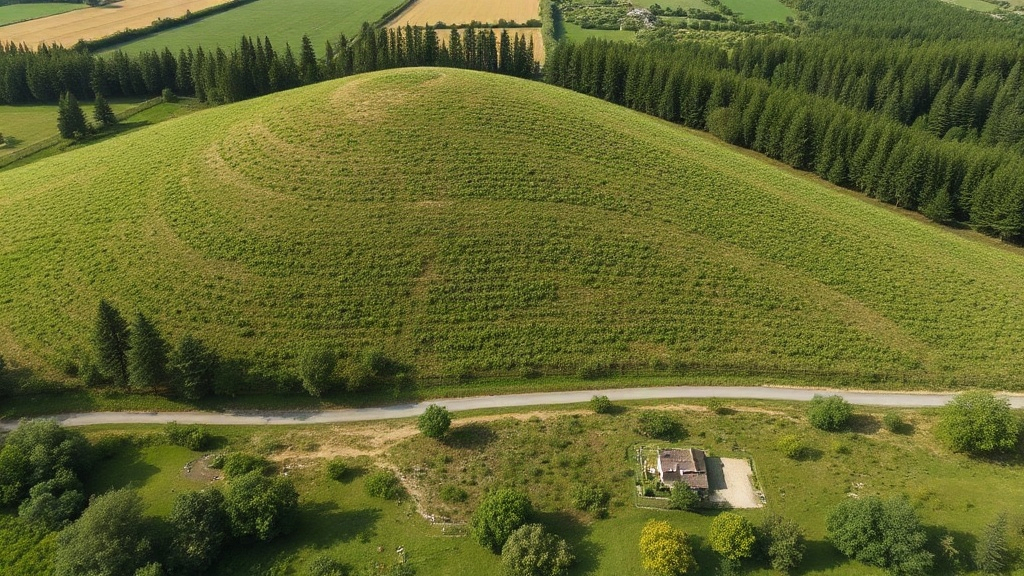
Use this checklist to prioritize inspections, ask targeted questions, and calculate realistic costs so you can move confidently from offer to ownership.