
Hunting for land for sale? How to find, evaluate, and buy the right parcel
Buying vacant land can be one of the smartest moves for building, farming, investing, or diversifying a portfolio—if you treat the purchase like a project, not just a transaction. Use these practical steps to evaluate parcels, avoid costly surprises, and close with confidence.
Clarify your purpose
Decide whether the land is for a primary residence, vacation home, agriculture, subdivision, recreational use, or long-term investment.
Zoning, access, and utility needs change dramatically depending on intended use, so a clear purpose narrows search criteria and prevents wasted time.
Check zoning and permitted uses
Before touring a property, confirm zoning designation with the county or city planning office. Zoning affects building size, setbacks, allowed uses, and whether you can subdivide later. Ask about overlays, special districts, and any pending code changes that could affect your plans.
Verify access and easements
Legal access matters more than a well-worn dirt track. Ensure the parcel has recorded deeded access to a public road or a documented easement. Unresolved access disputes can derail construction loans and reduce resale value. Review recorded plats and easement language carefully.
Confirm utilities and infrastructure
Running electric, water, sewer, gas, and broadband to a remote parcel can be costly. Ask the seller or county whether utilities are available at the road. If not, get estimates for bringing services onsite or for alternative solutions like wells, septic systems, propane, and solar power.
Evaluate topography and soils
Topography affects buildability, drainage, and excavation costs. Slopes, rock outcrops, and flood-prone lowlands can drastically increase site preparation expenses. Consult soil maps or order a soil report for septic feasibility and foundation planning.
Assess environmental and climate risk
Check floodplain maps and wildfire risk, and investigate wetlands or protected habitats that limit development. Use county GIS tools, state conservation resources, and national map viewers to understand constraints.
Some parcels qualify for conservation programs that reduce taxes but restrict future use.
Title, survey, and liens
A current survey establishes boundaries and identifies encroachments.
Order a title report and purchase title insurance to protect against hidden liens, easements, or ownership disputes. Make a survey and clear title conditions contingencies in the purchase agreement.
Understand carrying costs and taxes
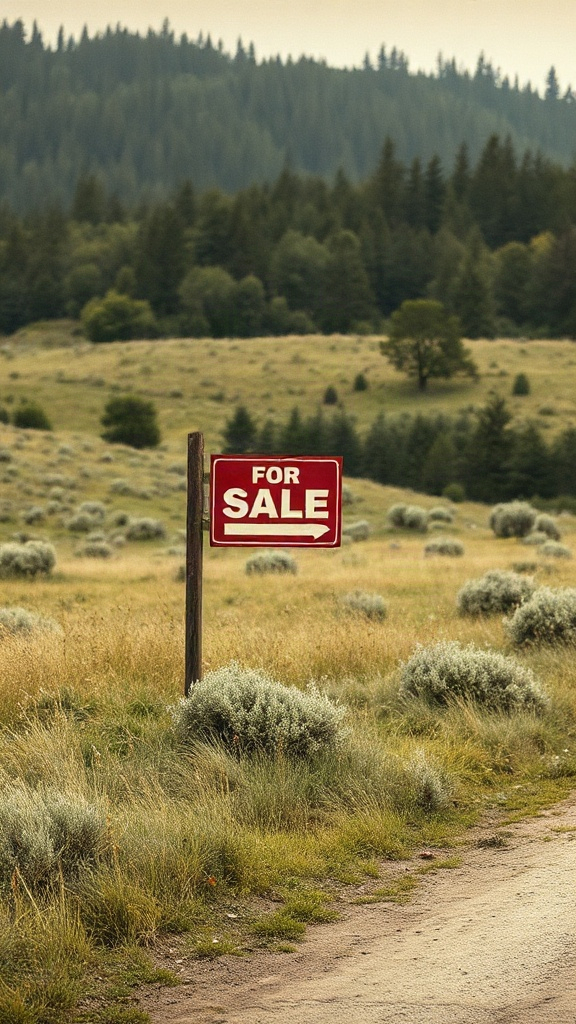
Land carries ongoing expenses: property taxes, insurance, maintenance, and possibly HOA fees.
Factor these into your holding-cost calculation, especially for parcels you won’t develop immediately.
Financing options
Traditional mortgages rarely cover unimproved land.
Explore land loans, construction loans, seller financing, and agricultural lender programs. Lenders look at borrower experience and the intended use, so be prepared with a feasibility plan and cost estimates.
Negotiate smartly
Successful offers often include contingencies for survey, title, and environmental review. Consider earnest money tied to specific milestones and keep timelines realistic to allow for permitting or financing approvals.
Work with experienced professionals
A land-savvy real estate agent, surveyor, land planner, civil engineer, and title company can reveal issues you might miss. Local experts know permitting timelines, soil behavior, and neighborhood trends that affect long-term value.
Use online tools and on-the-ground checks
Combine county GIS, satellite imagery, and mapping tools with an on-site visit at different times of day and after recent weather events. Check cell coverage, road maintenance status, neighborhood development, and nearby land uses that could affect privacy or future value.
Buying land for sale demands due diligence, patience, and a practical plan.
Approach each parcel with clear goals, professional advice, and a checklist that covers zoning, access, utilities, title, and environmental risk. With the right research and team, vacant land can become a valuable asset and the perfect site for future plans.