
Land for sale: what buyers and sellers need to know
Demand for vacant land is shaped by changing lifestyles, shifting housing preferences, and evolving development opportunities. Whether you’re looking for a secluded rural parcel, a building lot near amenities, or a strategic investment, understanding the key factors that affect value and marketability will help you make smarter decisions.
Why land is attractive right now
– Lifestyle buyers: Remote work and flexible schedules have increased interest in properties outside urban centers. Buyers seek privacy, larger lots, and room for hobby farming, tiny homes, or outdoor recreation.
– Investment potential: Well-located parcels can appreciate, especially near growth corridors, new infrastructure, or areas with strong conservation controls that limit supply.
– Alternative uses: Renewable energy projects, agri-business, and recreational leasing (hunting, fishing) can provide income streams while holding land.
What to check before you buy
A thorough due-diligence process prevents costly surprises. Essential items include:
– Zoning and permitted uses: Confirm allowed uses with the local planning department and check setback, density, and future land-use maps.
– Access and easement: Verify legal road access and recorded easements. A physical driveway that doesn’t connect to public right-of-way can be a red flag.
– Utilities and services: Determine availability of water, sewer/septic, electricity, and broadband.
Extending services can be more expensive than anticipated.
– Topography and soil: Steep slopes, poor soils, or rock can limit building options and raise site-prep costs. Consider a soils report for septic suitability.
– Environmental constraints: Identify wetlands, protected habitats, floodplains, and potential contamination.
A wetland delineation or environmental site assessment can save headaches.
– Title, mineral rights, and encumbrances: Ensure clear title, and clarify whether mineral, timber, or water rights transfer with the parcel.
– Surveys and boundaries: A certified land survey defines boundaries and easements—crucial for avoiding disputes and securing financing.
Financing options for raw land
Financing vacant land differs from financing a home. Lenders often require larger down payments and charge higher rates for raw land loans. Options include:
– Traditional land loans from banks or credit unions (typically for improved lots)
– Seller financing, which can be flexible and faster to close
– Home-equity or construction loans if the buyer already has property or plans to build
– Specialty lenders for agricultural or timberland purchases
Selling land: how to maximize appeal
To sell efficiently and for top value, focus on clear presentation and targeted marketing:
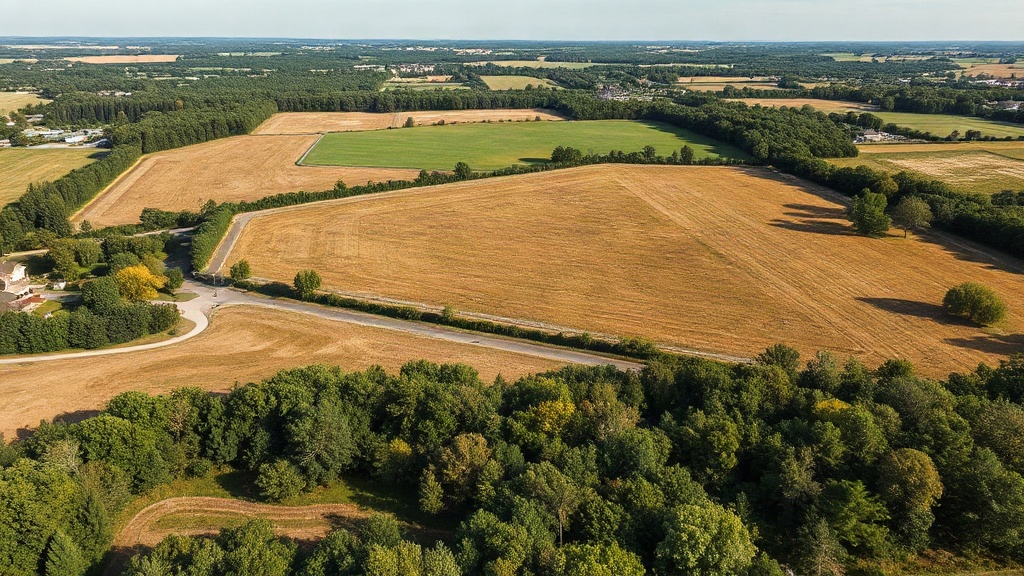
– Professional photography and drone shots show parcel layout and views
– Accurate listing details: acres, zoning, utilities, access, and any recorded documents
– Topographic and boundary maps help buyers visualize development potential
– Highlight unique selling points: proximity to trails, water features, low property taxes, or income opportunities
– Work with a land-savvy broker or list on platforms that cater to recreational and rural buyers
Working with professionals
Land transactions often involve specialists: land-use planners, surveyors, environmental consultants, title companies, and attorneys. Partnering with professionals who understand local regulations and market dynamics will streamline the process and protect your investment.
Whether you’re buying a building lot or selling acreage, careful planning, transparent disclosures, and the right team make the difference between a risky purchase and a rewarding asset. Approach the market with a clear checklist and realistic expectations to make the most of available opportunities.